
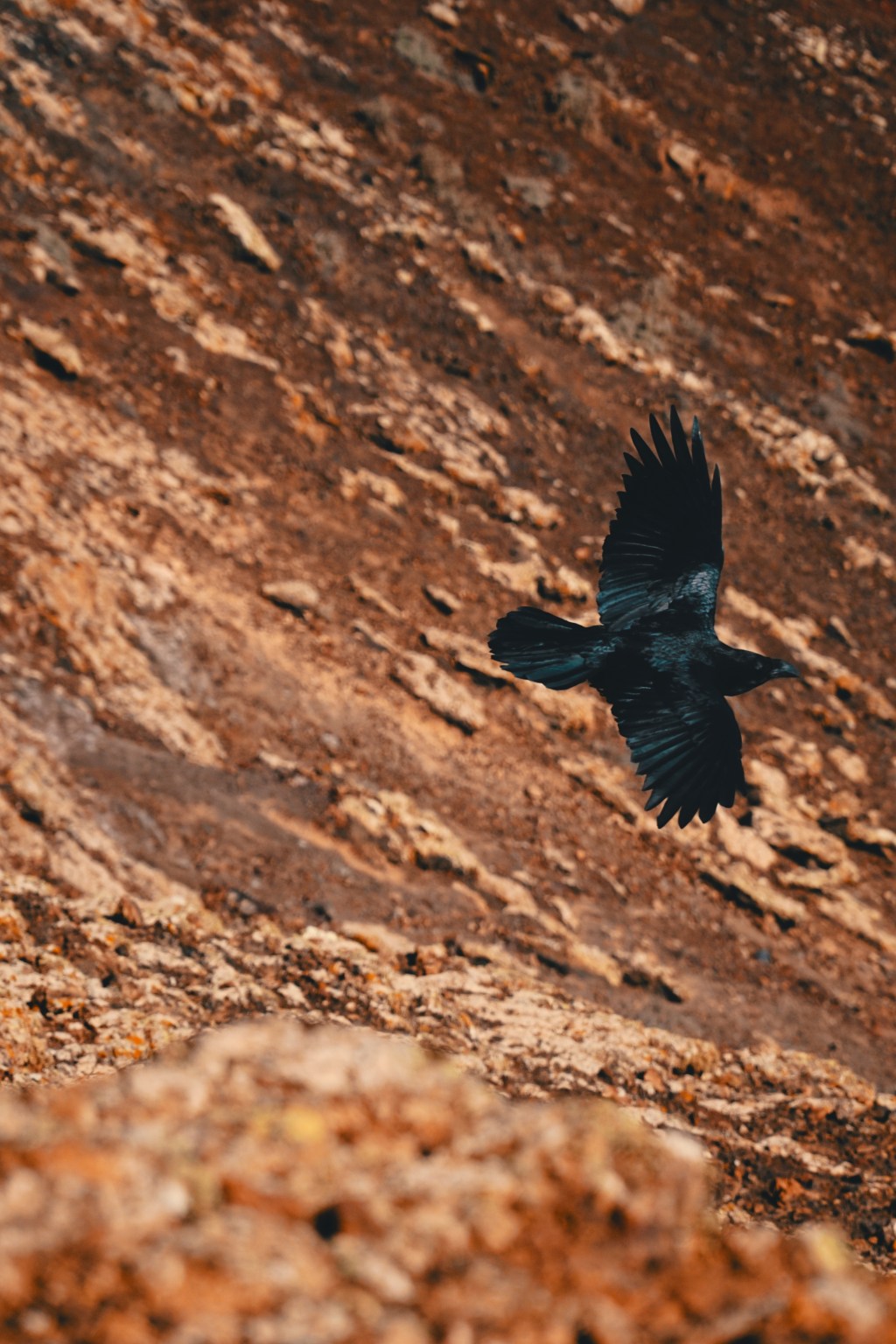
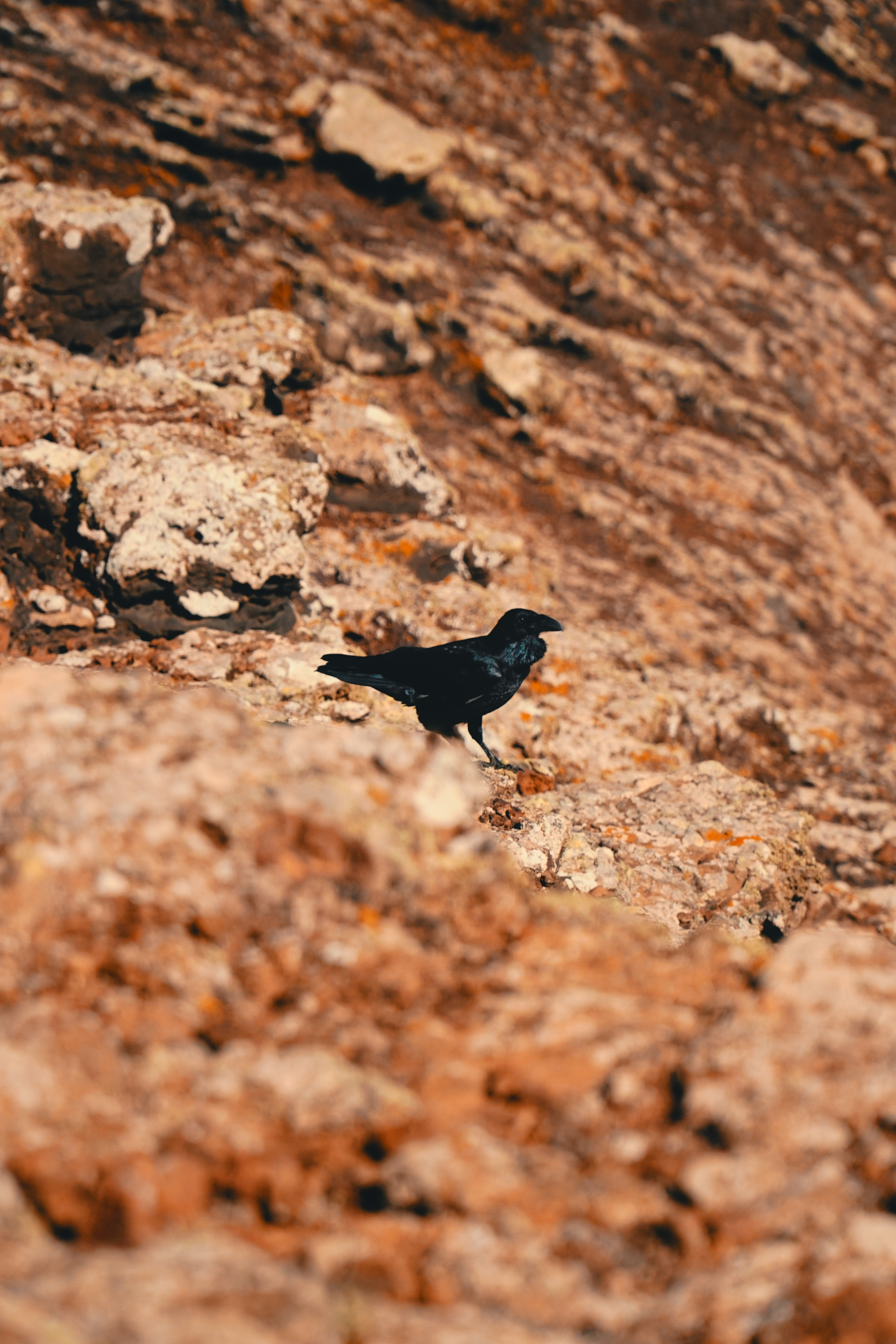
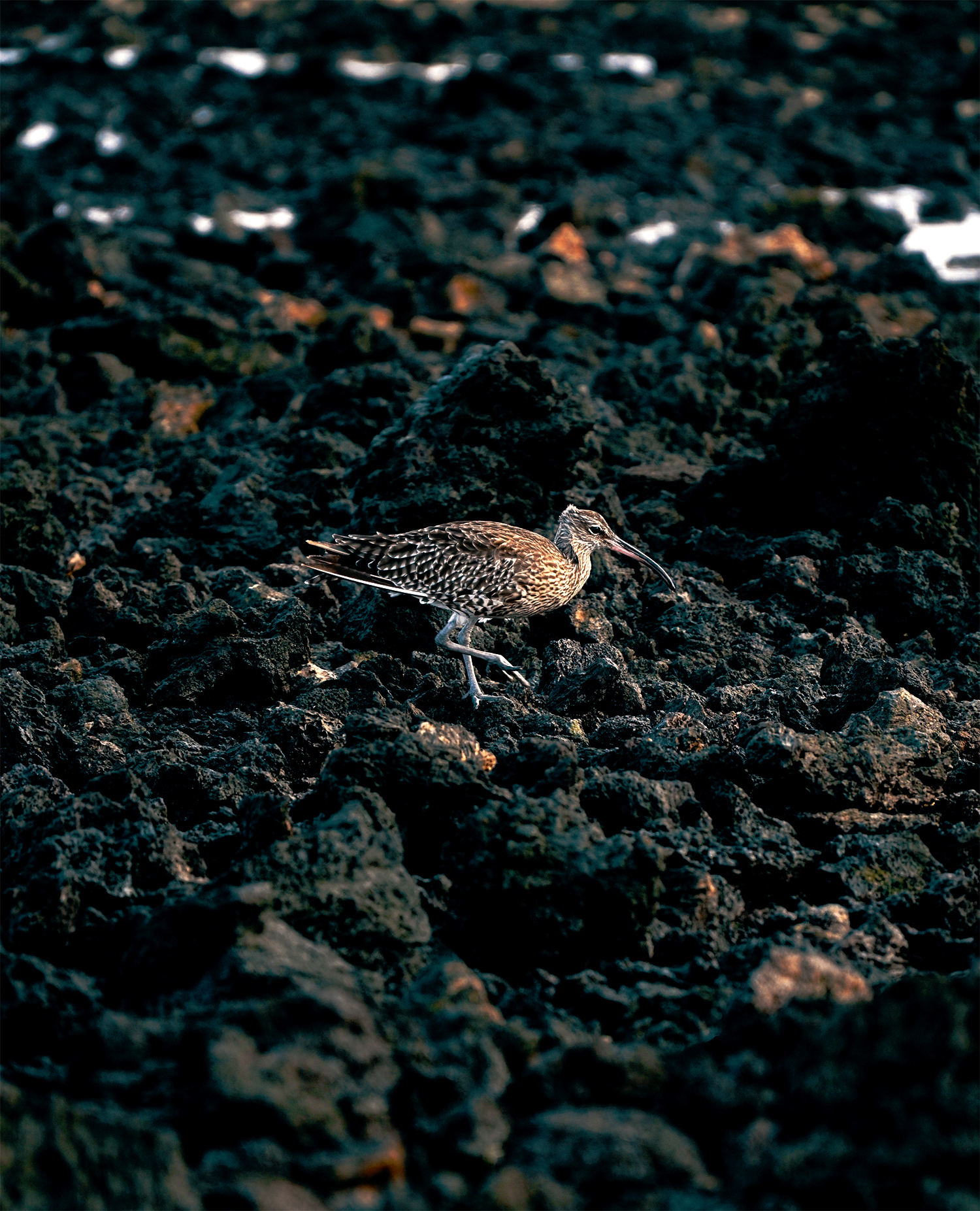
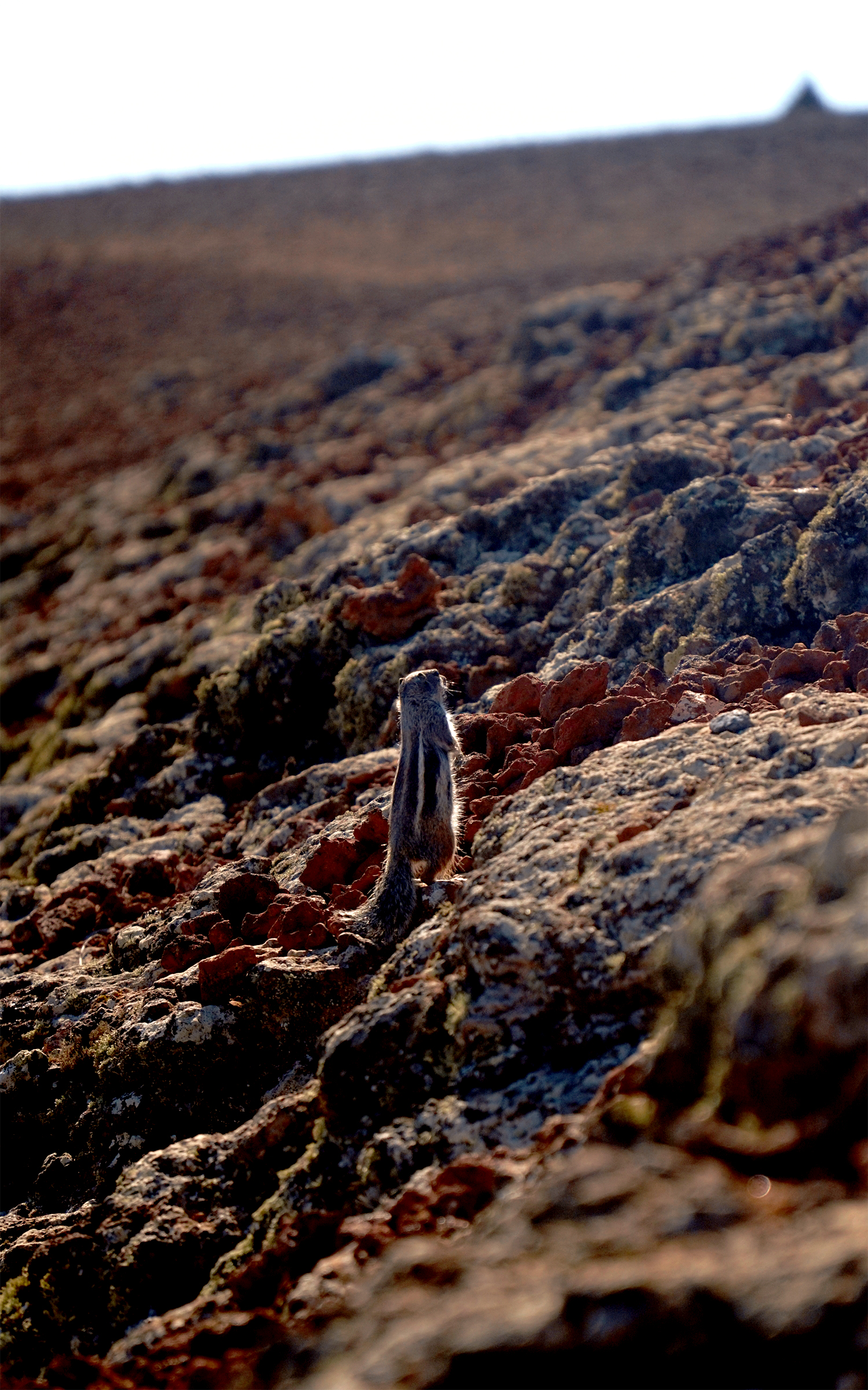
Apart from the native bats and the mammals which accompanied humans to the island (including the dromedary, which was used for agriculture and is now a tourist attraction), there are few vertebrate species on Lanzarote. These include birds (such as falcons) and reptiles. Some interesting endemic animals are the Gallotia lizards and the blind Munidopsis polymorpha crabs found in the Jameos del Agua lagoon, which was formed by a volcanic eruption. The island is also home to one of two surviving populations of the threatened Canarian Egyptian vulture.


There are five hundred different kinds of plants on the island, of which 17 species are endemic. These plants have adapted to the relative scarcity of water in the same way as succulents. They include the Canary Island date palm (Phoenix canariensis), which is found in damper areas of the north, the Canary Island pine (Pinus canariensis), ferns, and wild olive trees (Olea europaea). Laurisilva trees, which once covered the highest parts of Risco de Famara, are rarely found today. After winter rainfall, the vegetation comes to a colourful bloom between February and March.
The vineyards of La Gería, Lanzarote DO wine region, are a protected area. Single vines are planted in pits 4–5 metres (13–16 feet) wide and 2–3 metres (6 feet 7 inches – 9 feet 10 inches) deep, with small stone walls around each pit. This agricultural technique is designed to harvest rainfall and overnight dew and to protect the plants from the winds.
 Malsano