

Come la scintilla che precede lo schianto
Documentarist and wildlife photography
Malta – Gozo
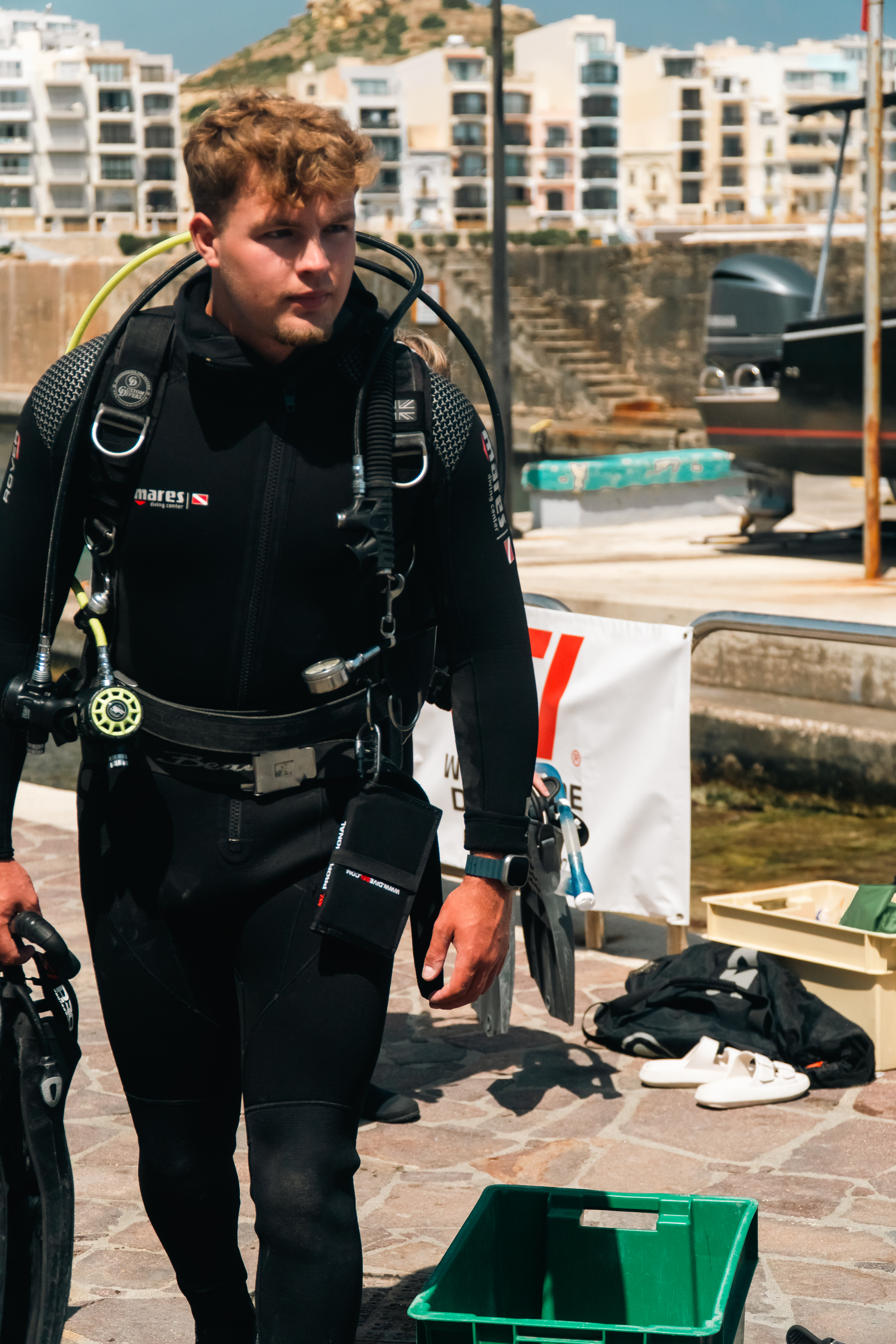
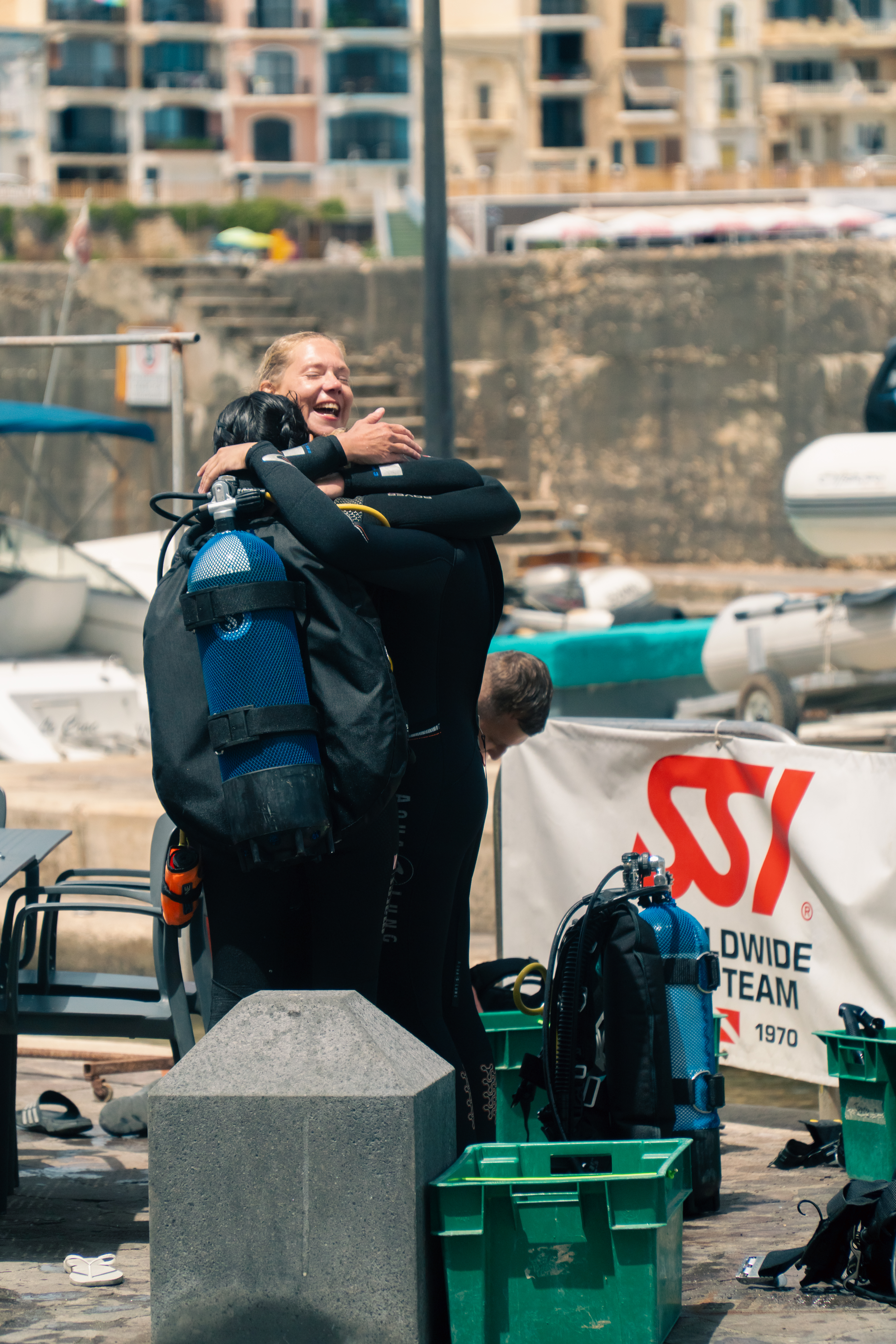
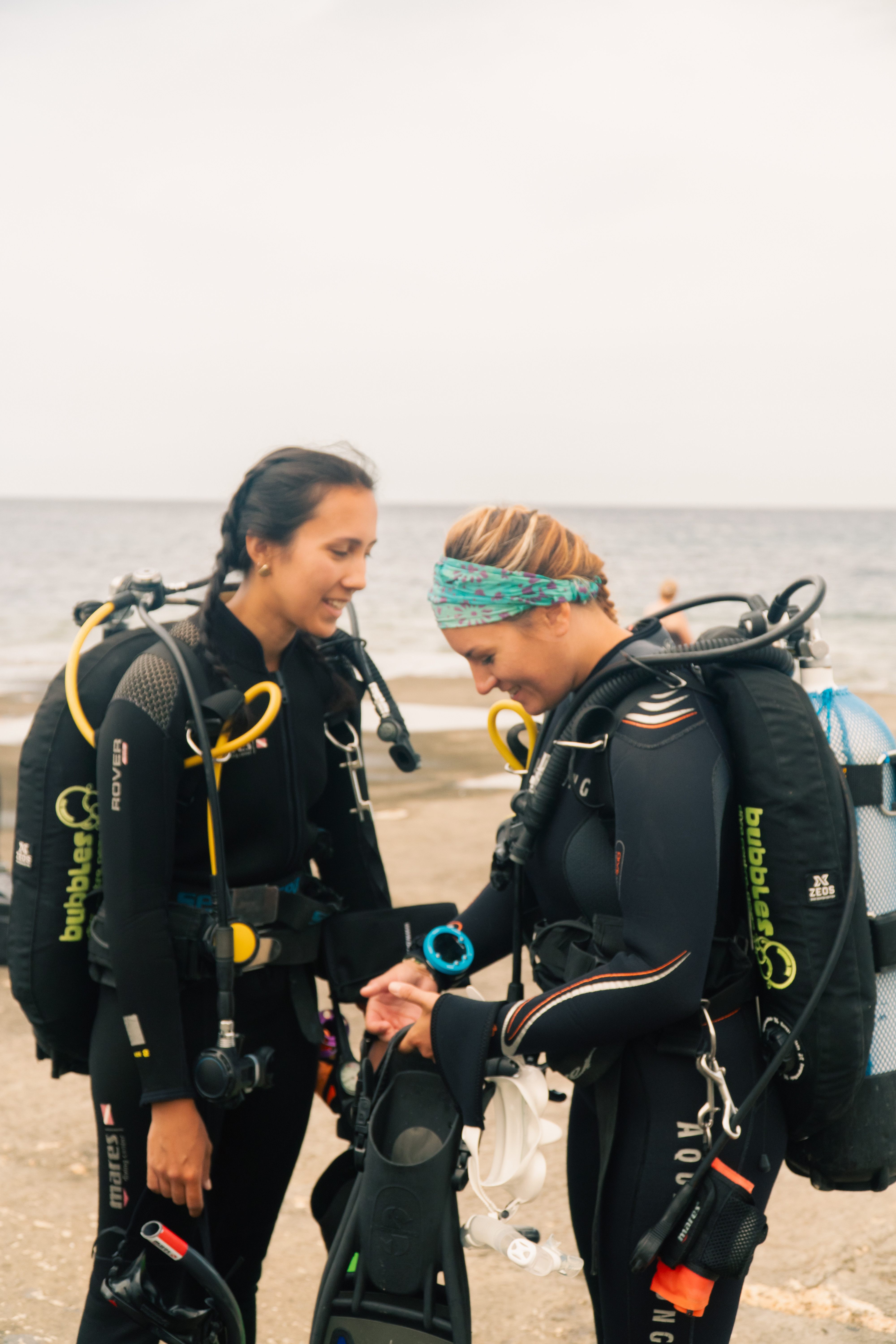
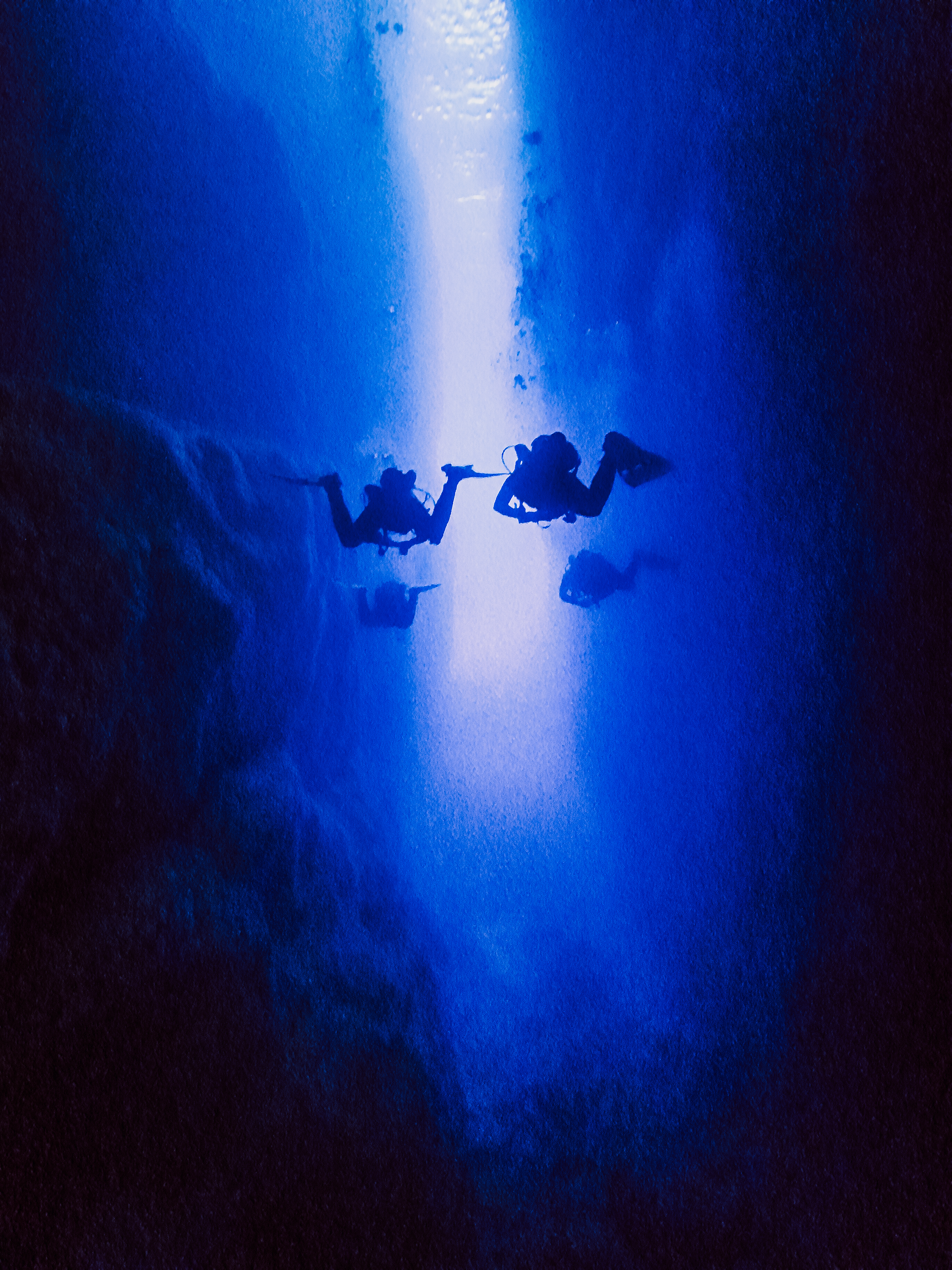
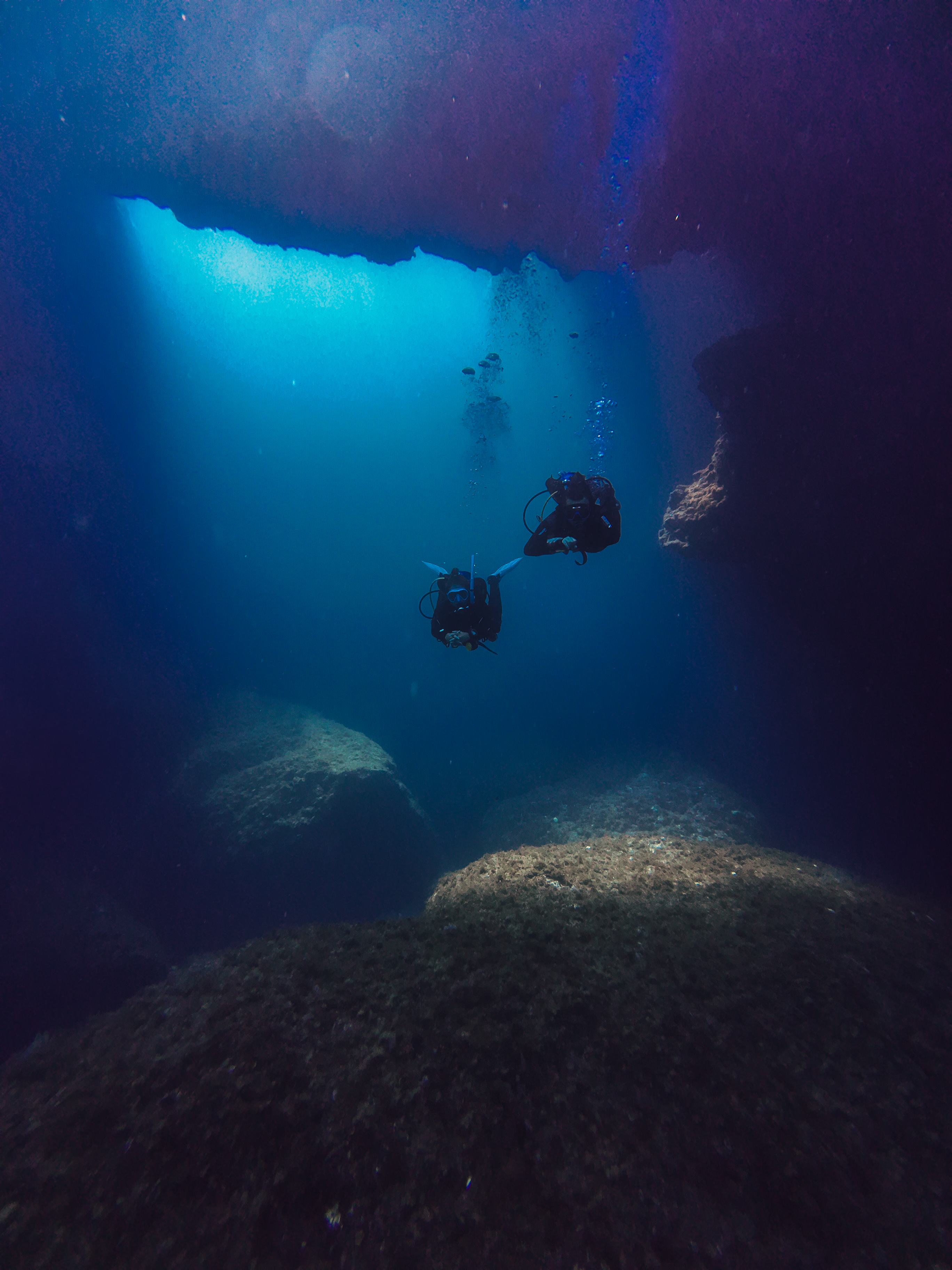
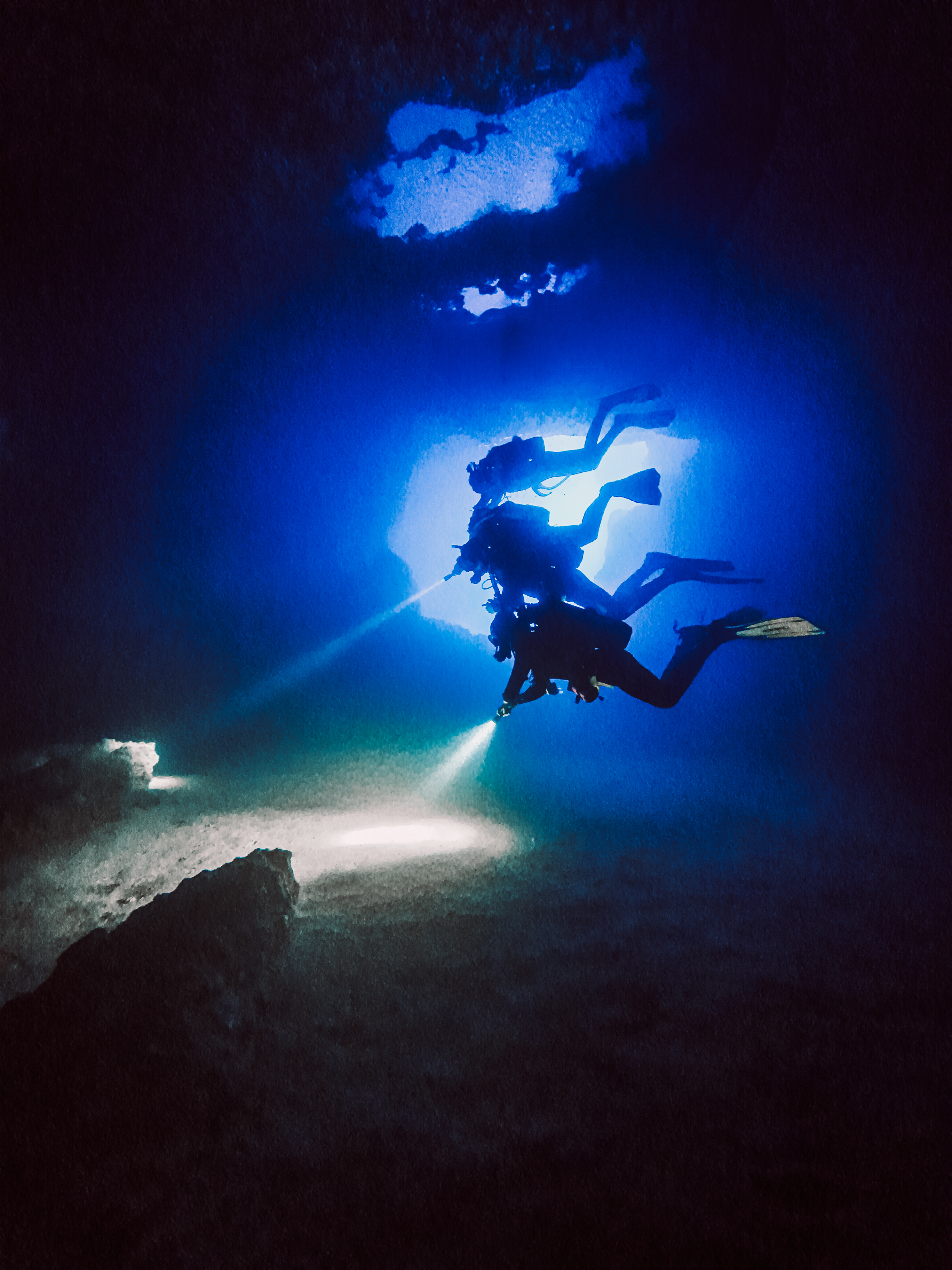
In 2025, I chose to radically change my life: I left my job to travel and dedicate myself to photography. My first stop was Gozo, the small yet big-hearted island near Malta. There, I became a scuba diving instructor and stayed for eight months. Seeing people’s smiles dive after dive, certification after certification, was an immense satisfaction… Especially when they were my own students and I could share with them the passion that drives me.
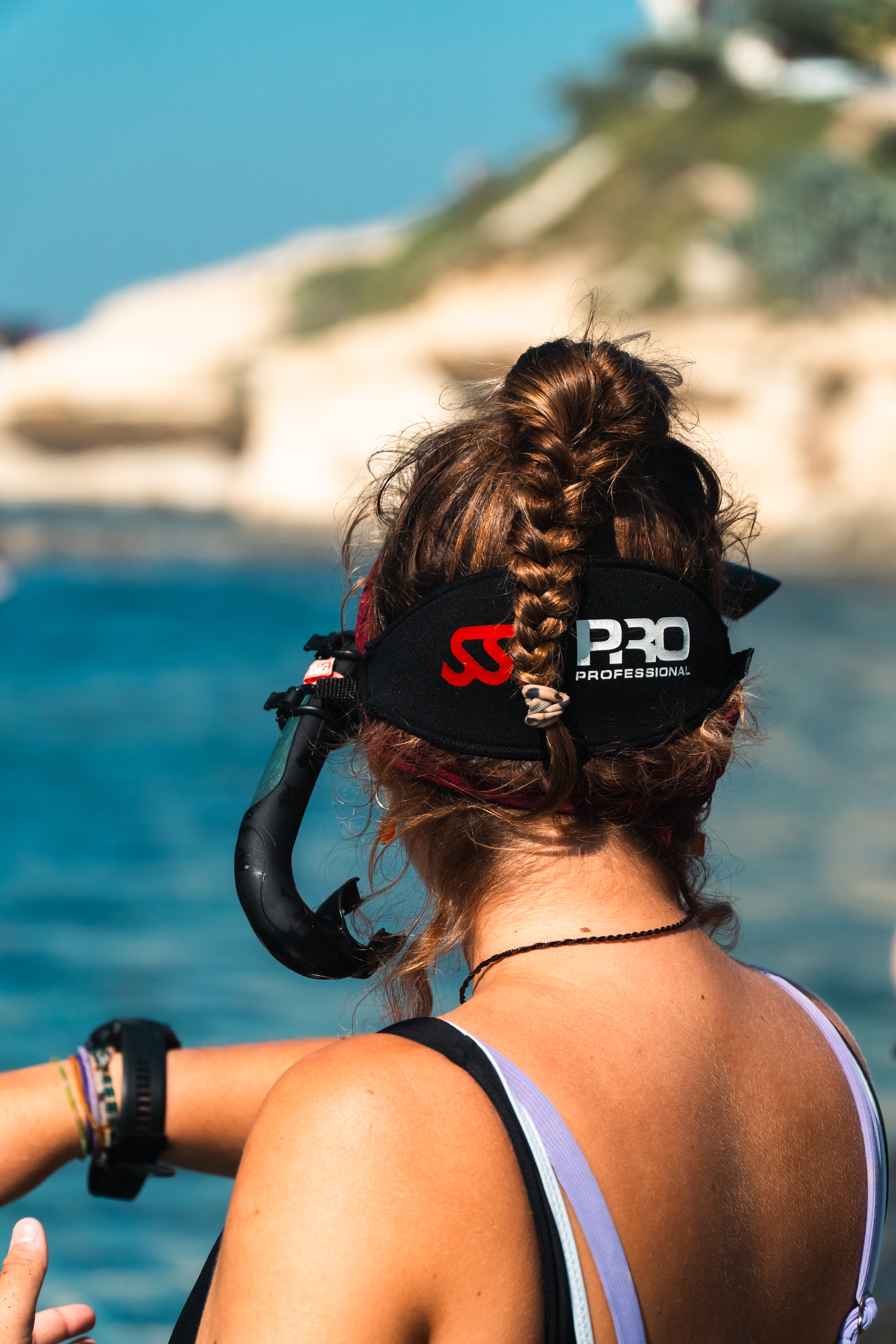
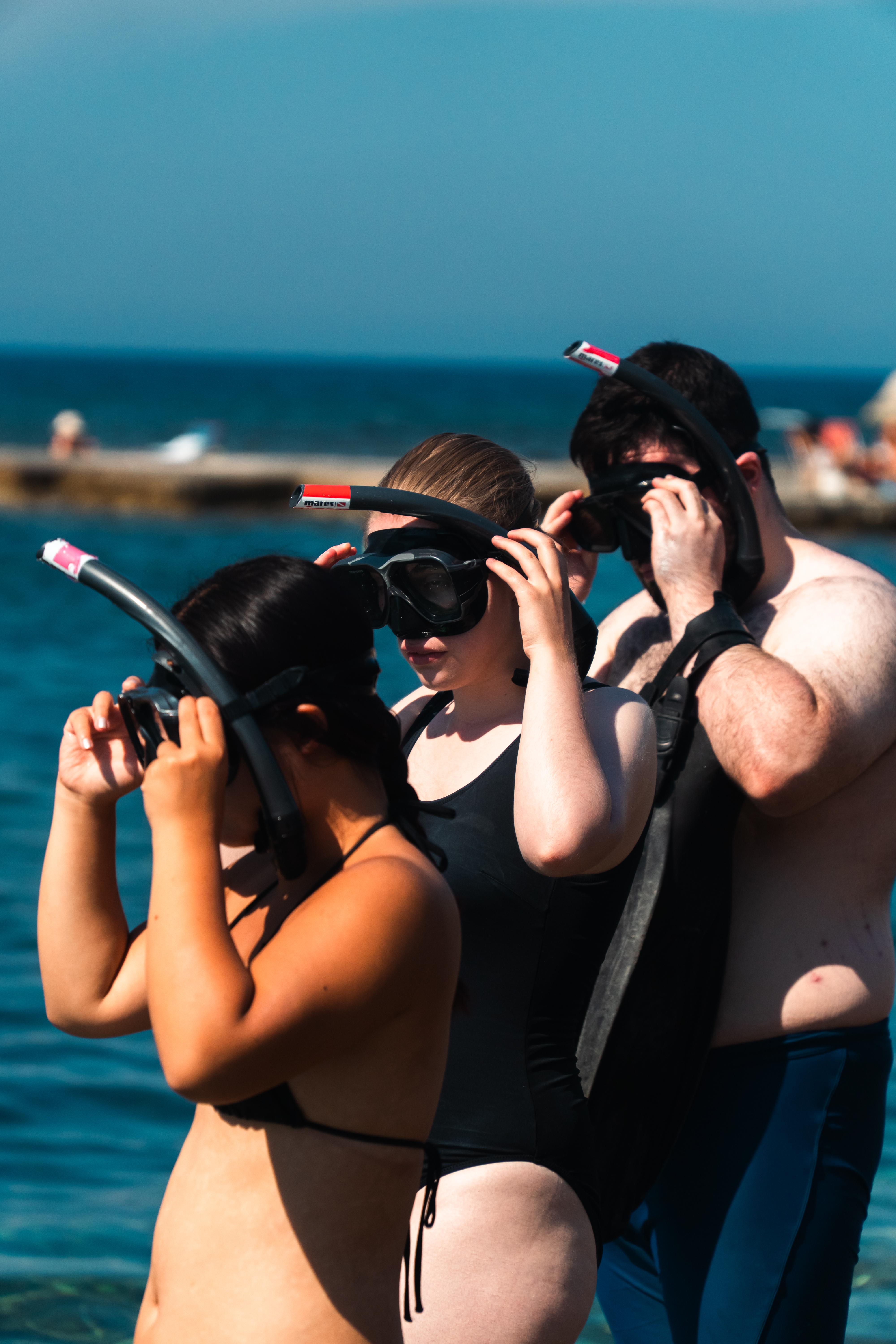
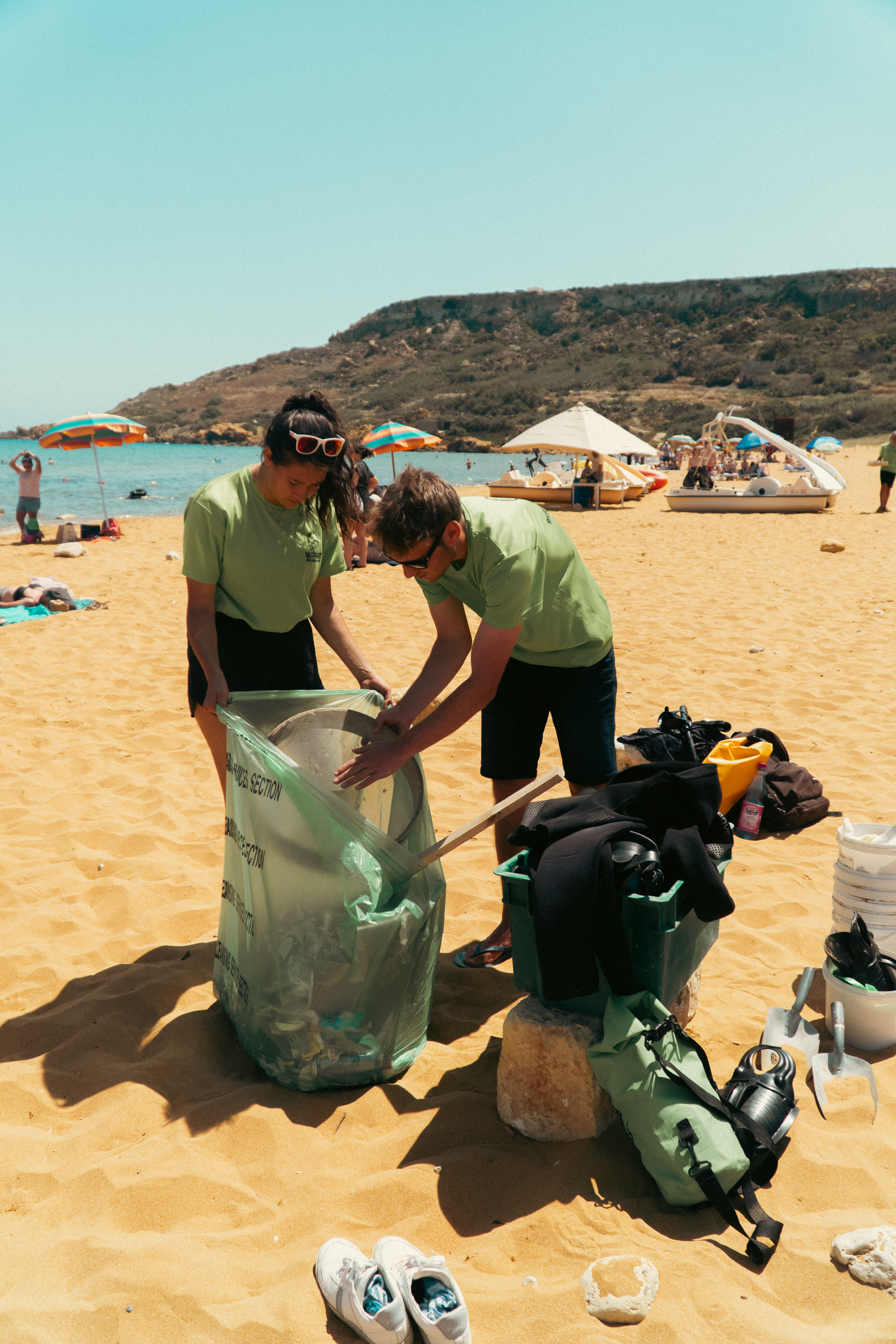
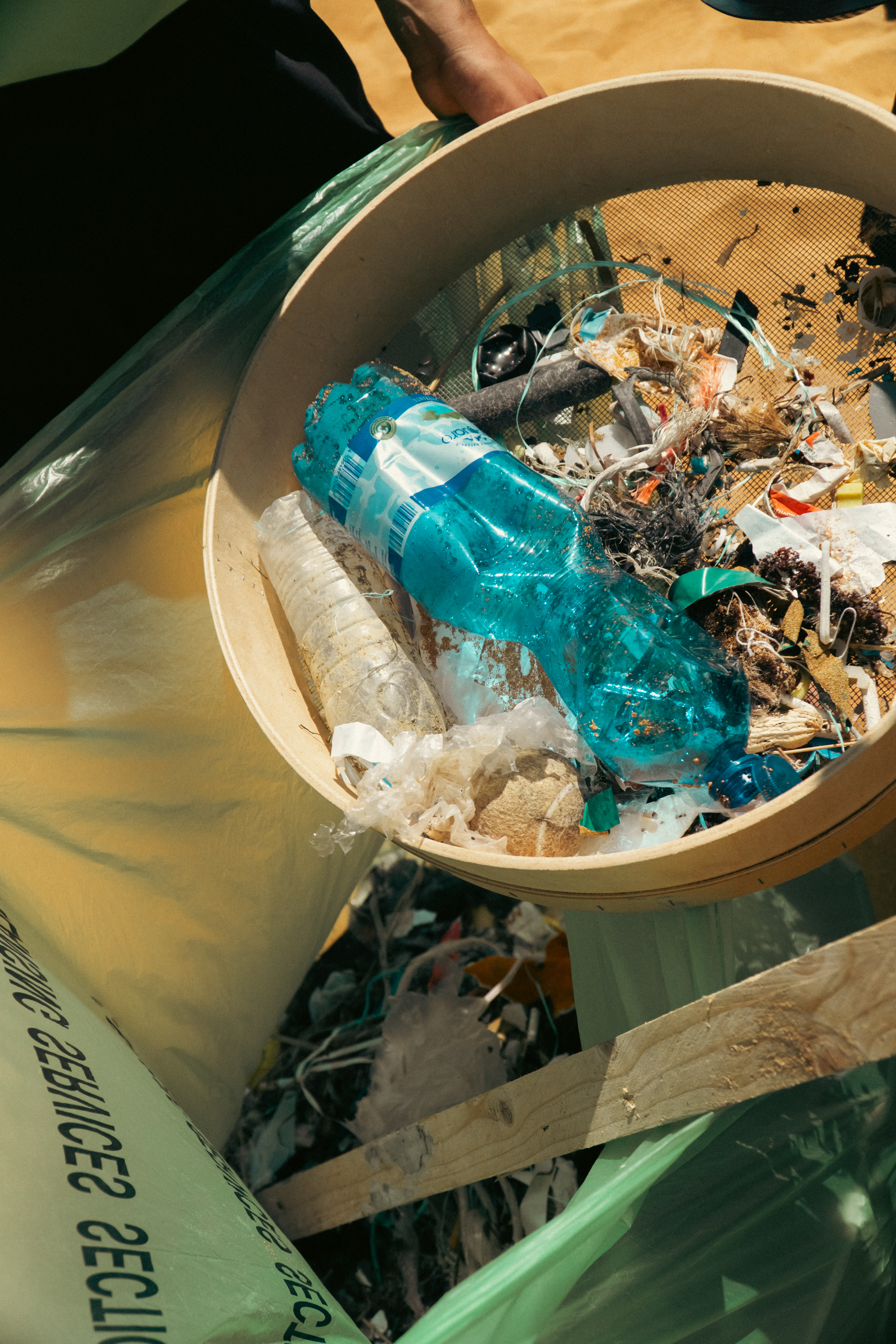
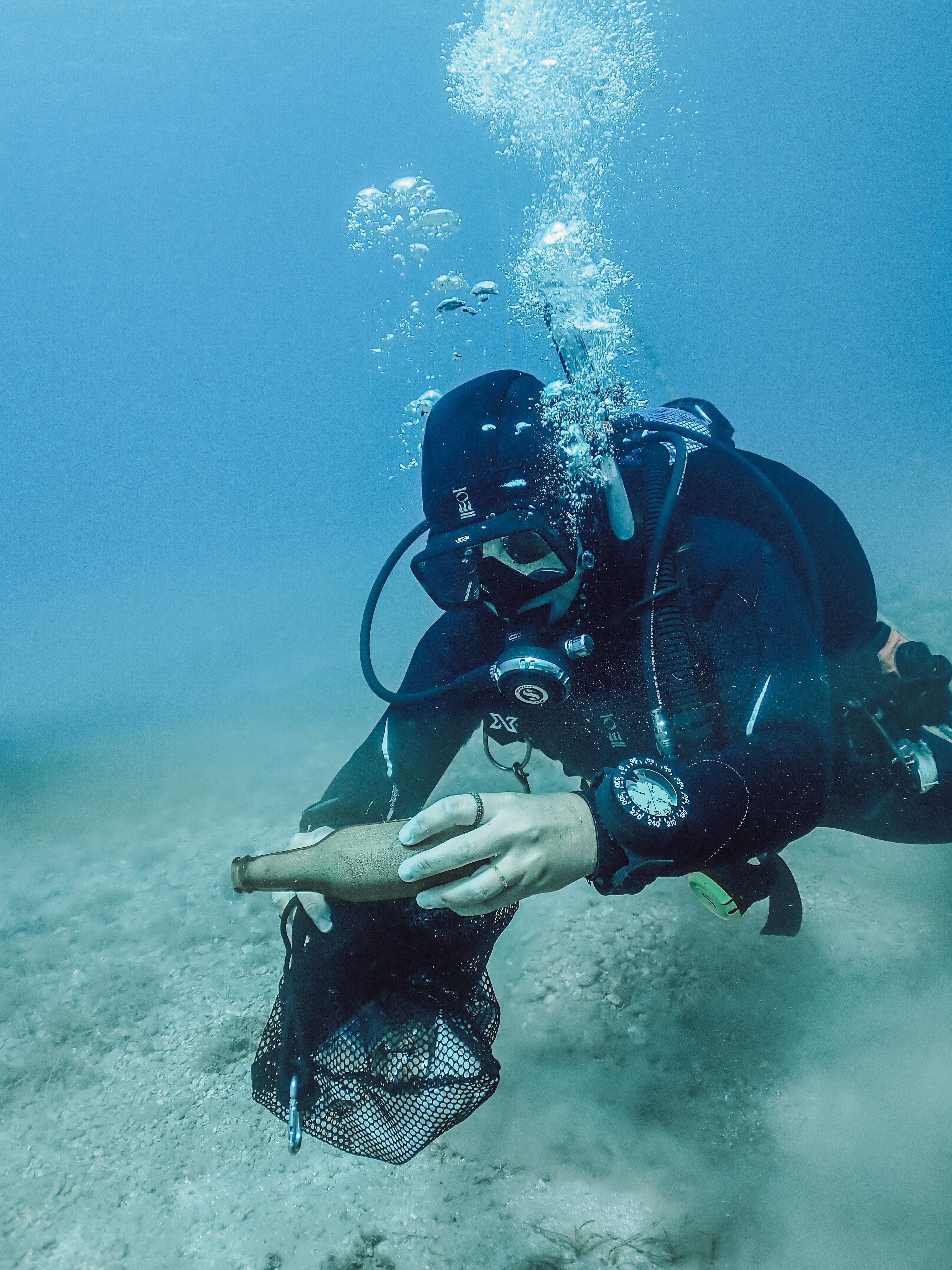
I also took part with several NGOs in many clean-up initiatives and turtle monitoring activities. I don’t think I could ever travel without looking for opportunities like these and doing my part in the conservation of every animal and ecosystem I encounter. Contributing, even in small ways, gives deeper meaning to every journey and every place I visit.
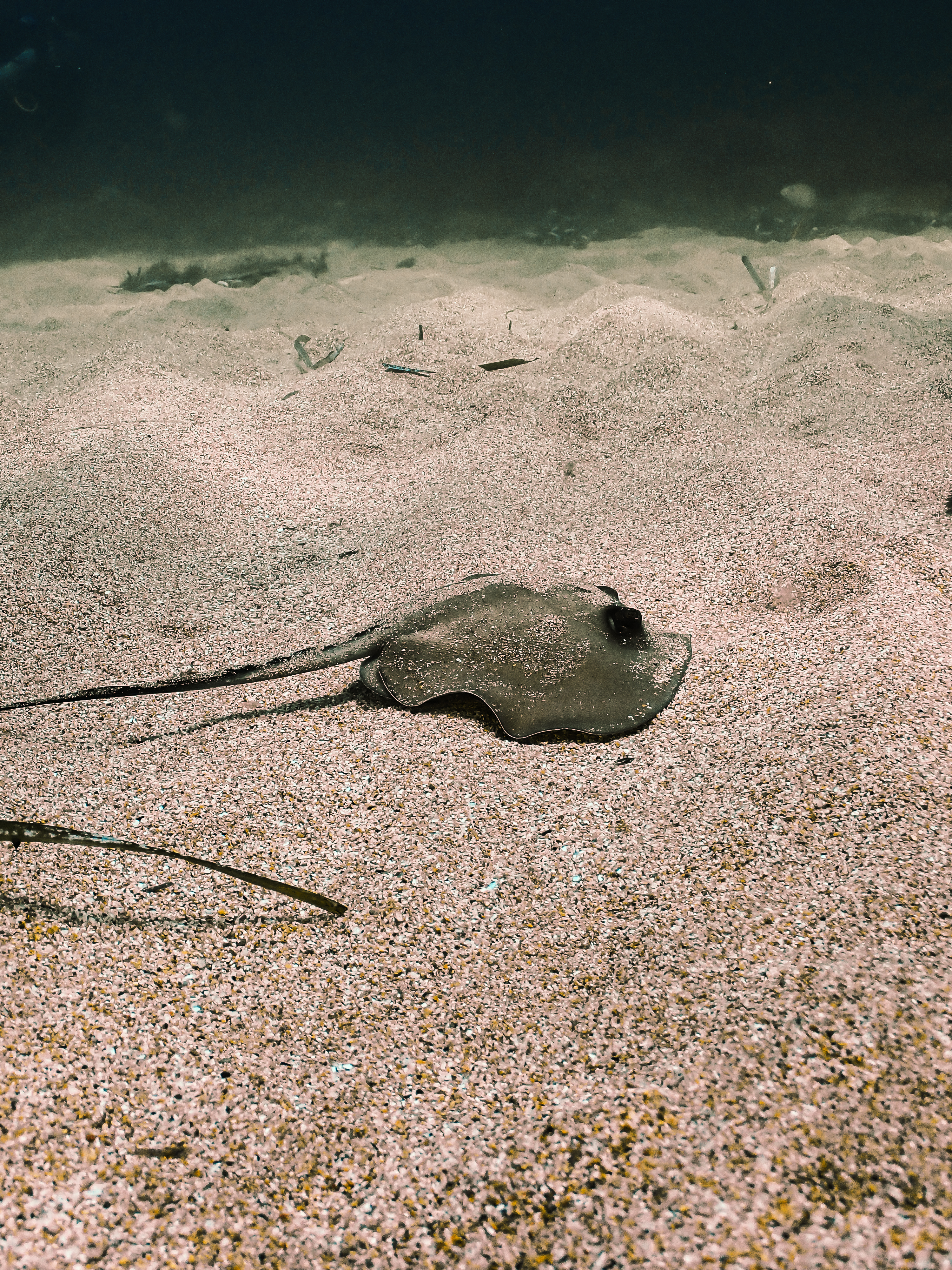
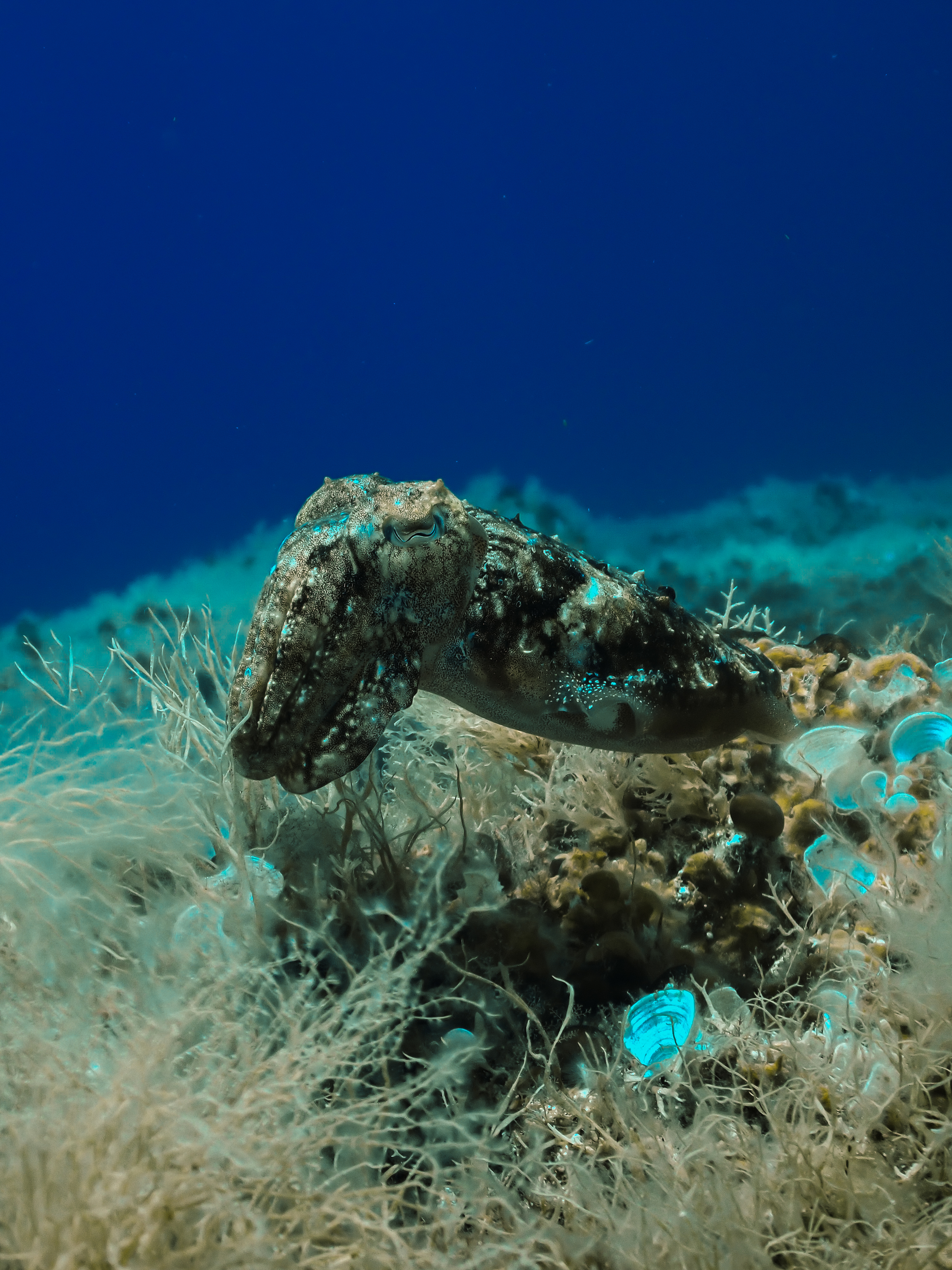
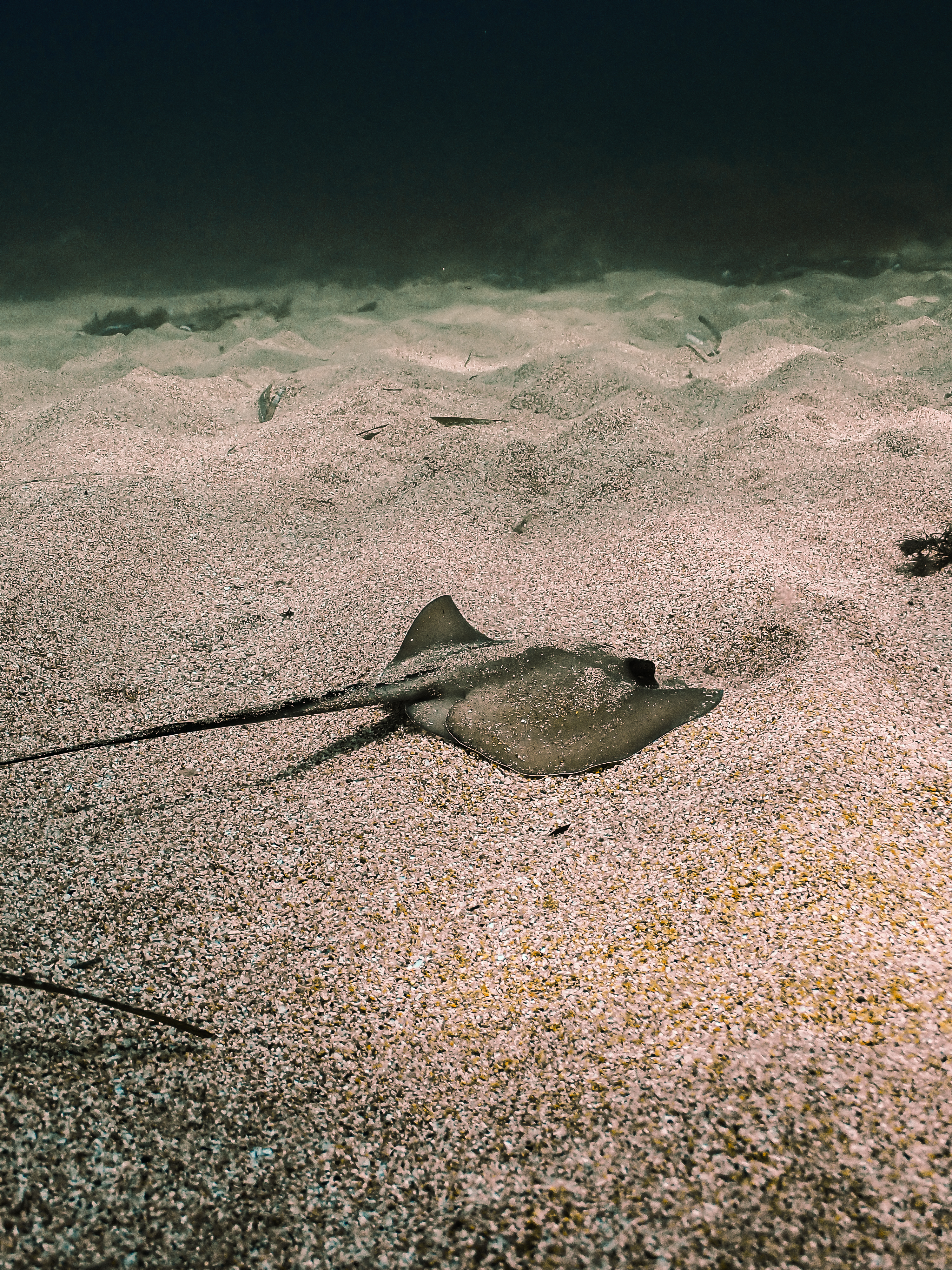
These are some of the people and animals I have had the privilege to work with and photograph along my journey. Among them were a stingray (Dasyatis pastinaca), known for its graceful movements and the electroreceptors it uses to detect prey hidden beneath the sand, and a cuttlefish (Sepia officinalis), an extraordinary creature capable of changing color and texture in an instant to communicate or camouflage. The smiles, the tears, and the stories shared in those moments will always remain part of my path. Each encounter, whether human or marine, has left a quiet mark on who I am becoming. I carry those memories with deep gratitude, and I truly can’t wait to discover what life has in store for my next destinations.
Malapascua – Philippines
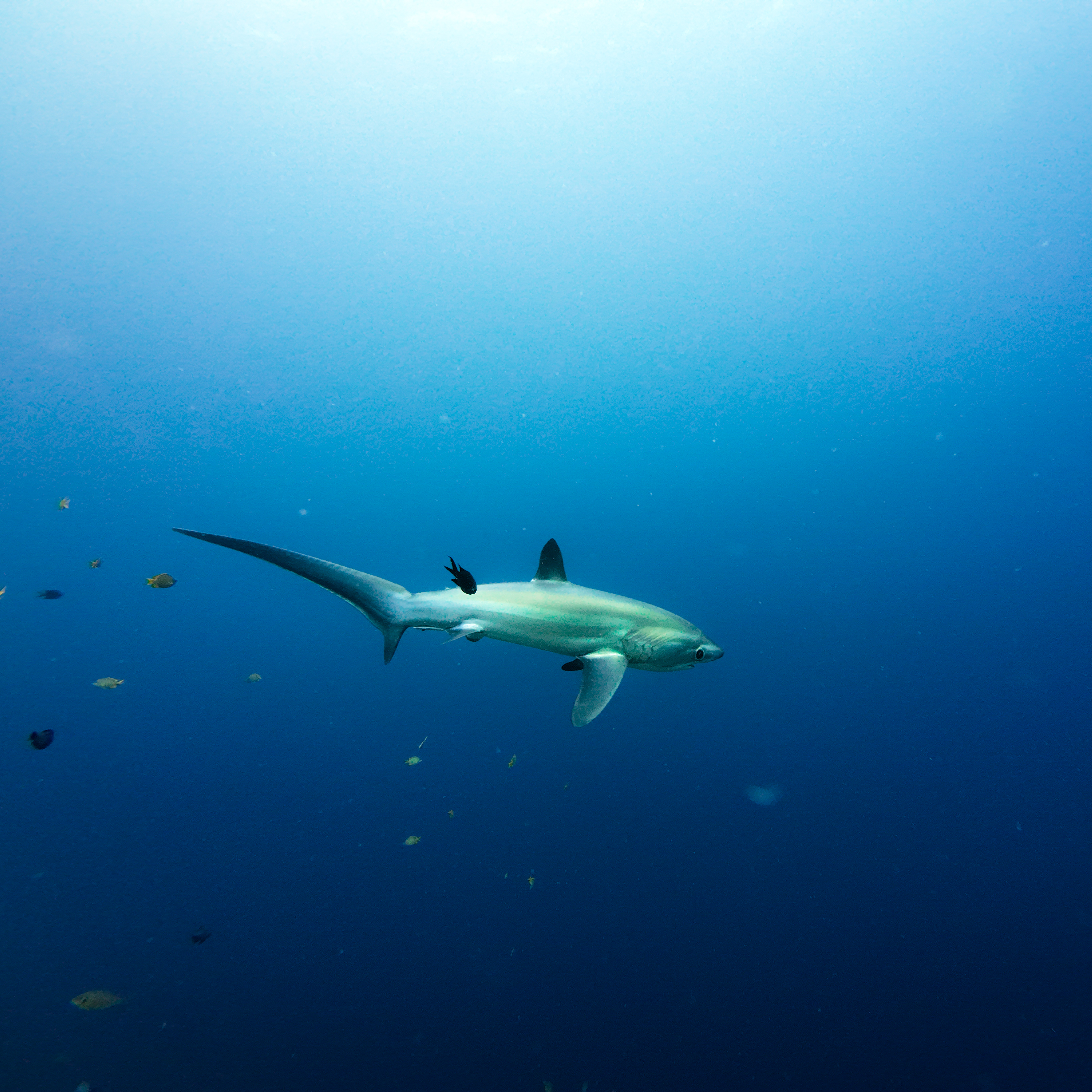
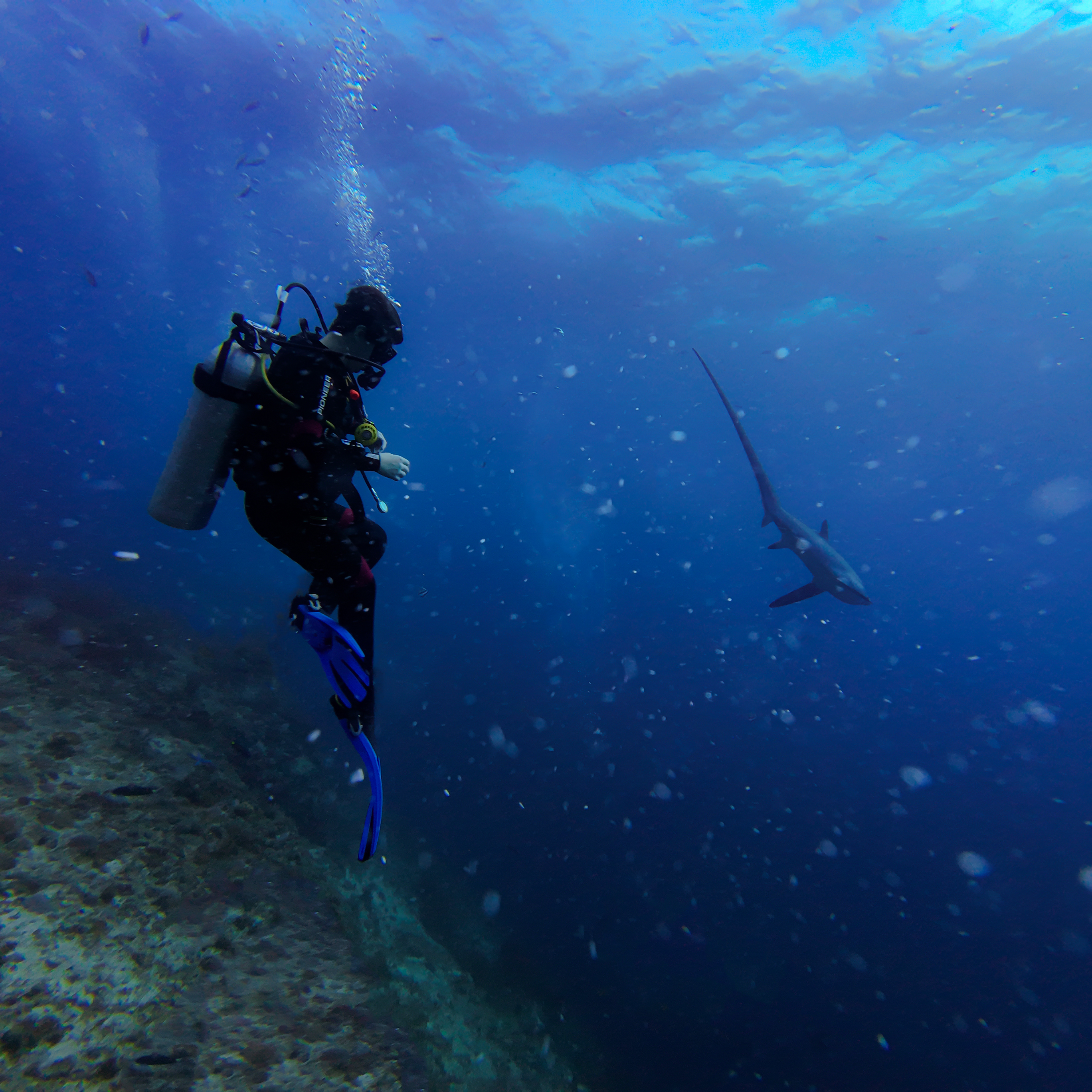
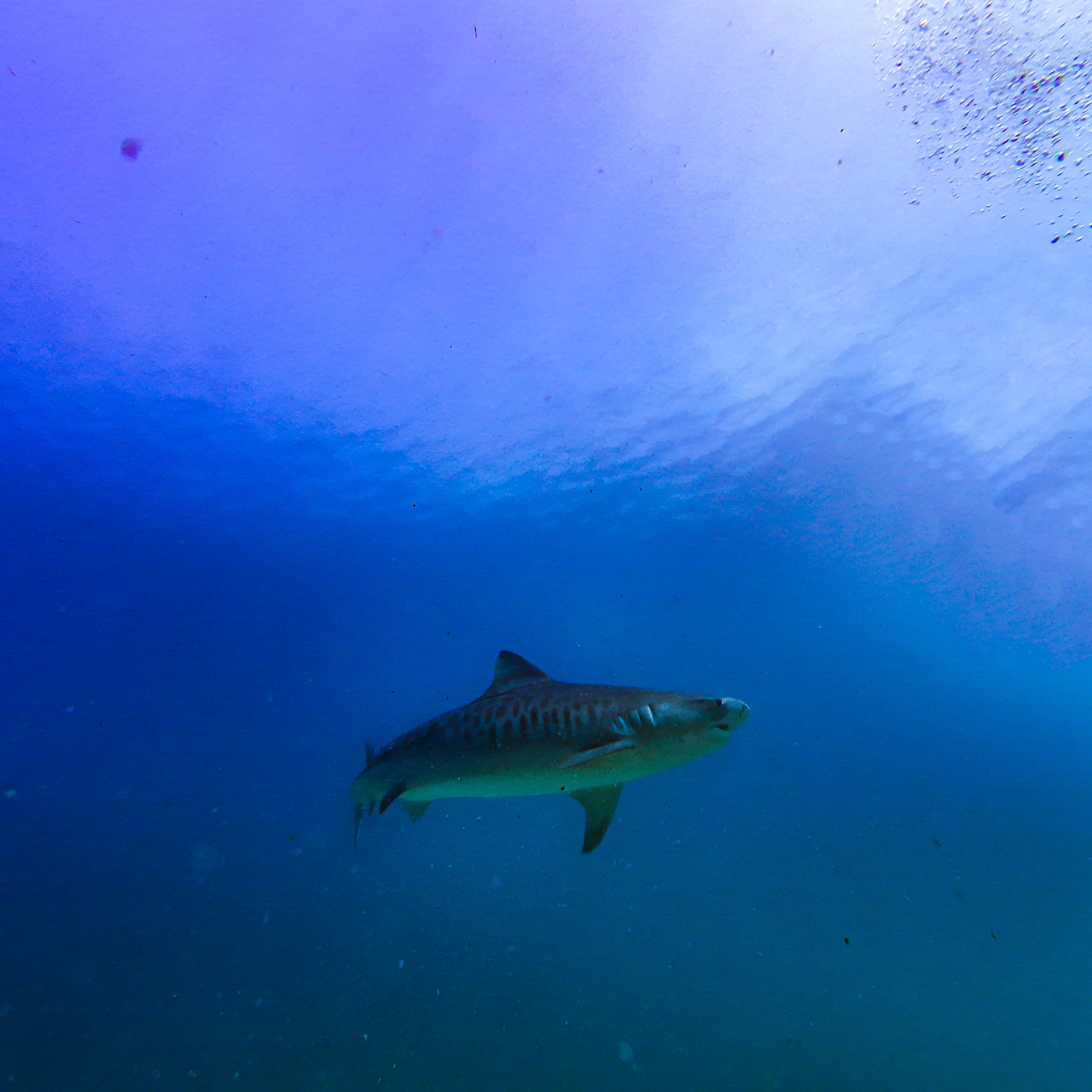
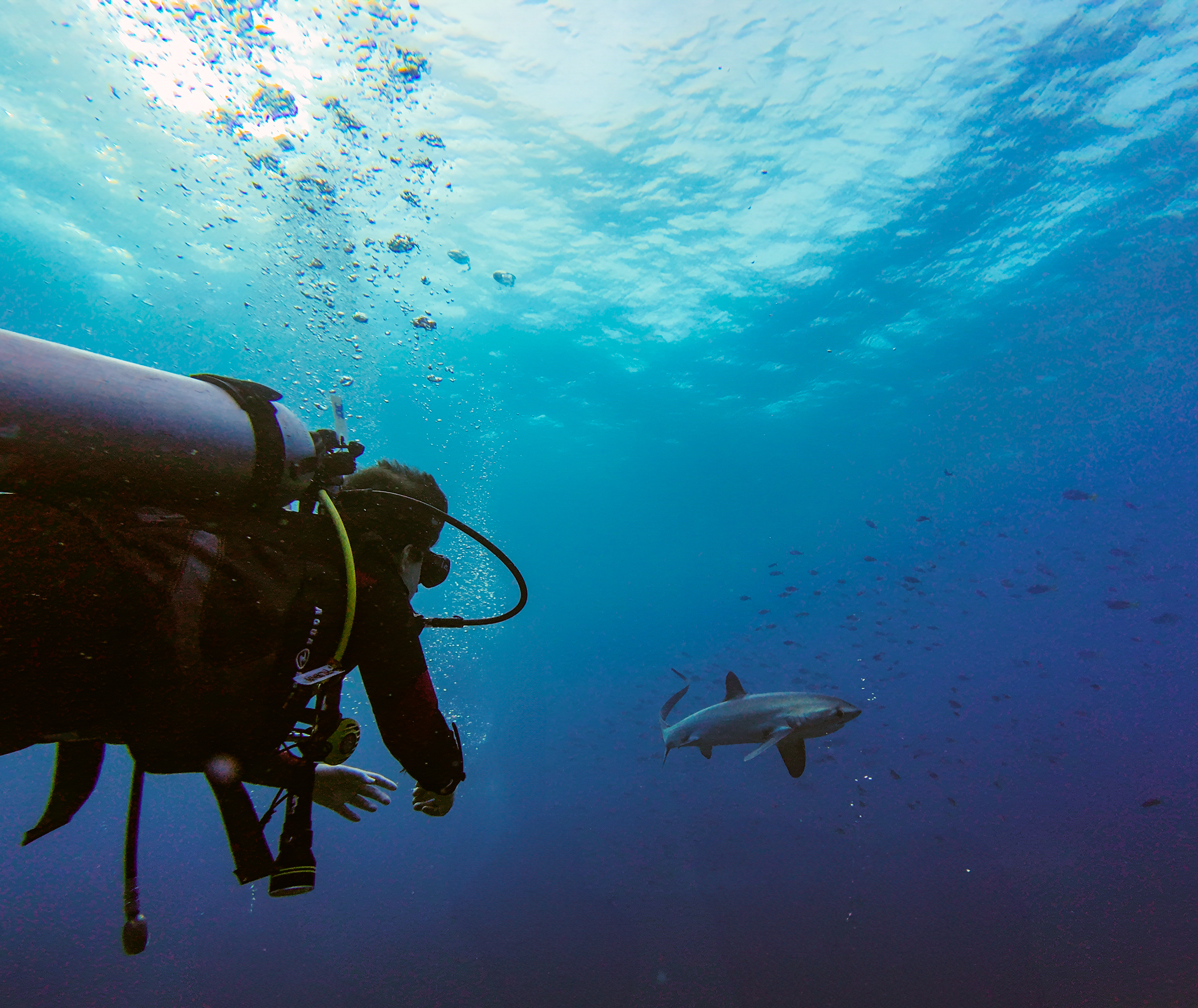
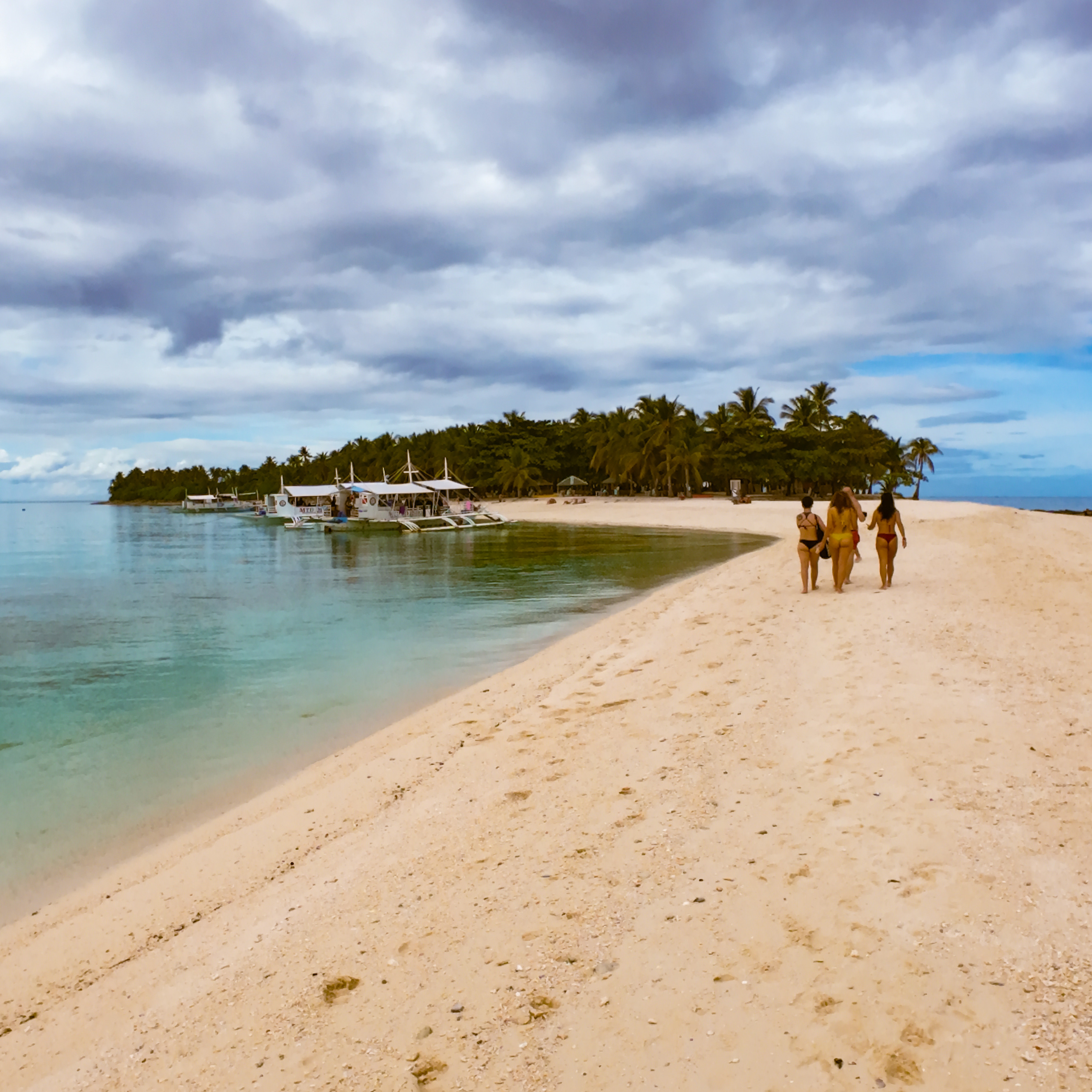
During my last trip overseas, I visited Malapascua in the Philippines, a place famous for its incredible marine life. There, I had the chance to document a stunning thresher shark (Alopias pelagicus), known for its extraordinarily long tail that it uses like a whip to stun prey. I also encountered a majestic tiger shark (Galeocerdo cuvier), a species recognizable by its striped pattern and its reputation as one of the ocean’s most versatile predators. Seeing them glide so calmly through the water was absolutely mesmerizing.
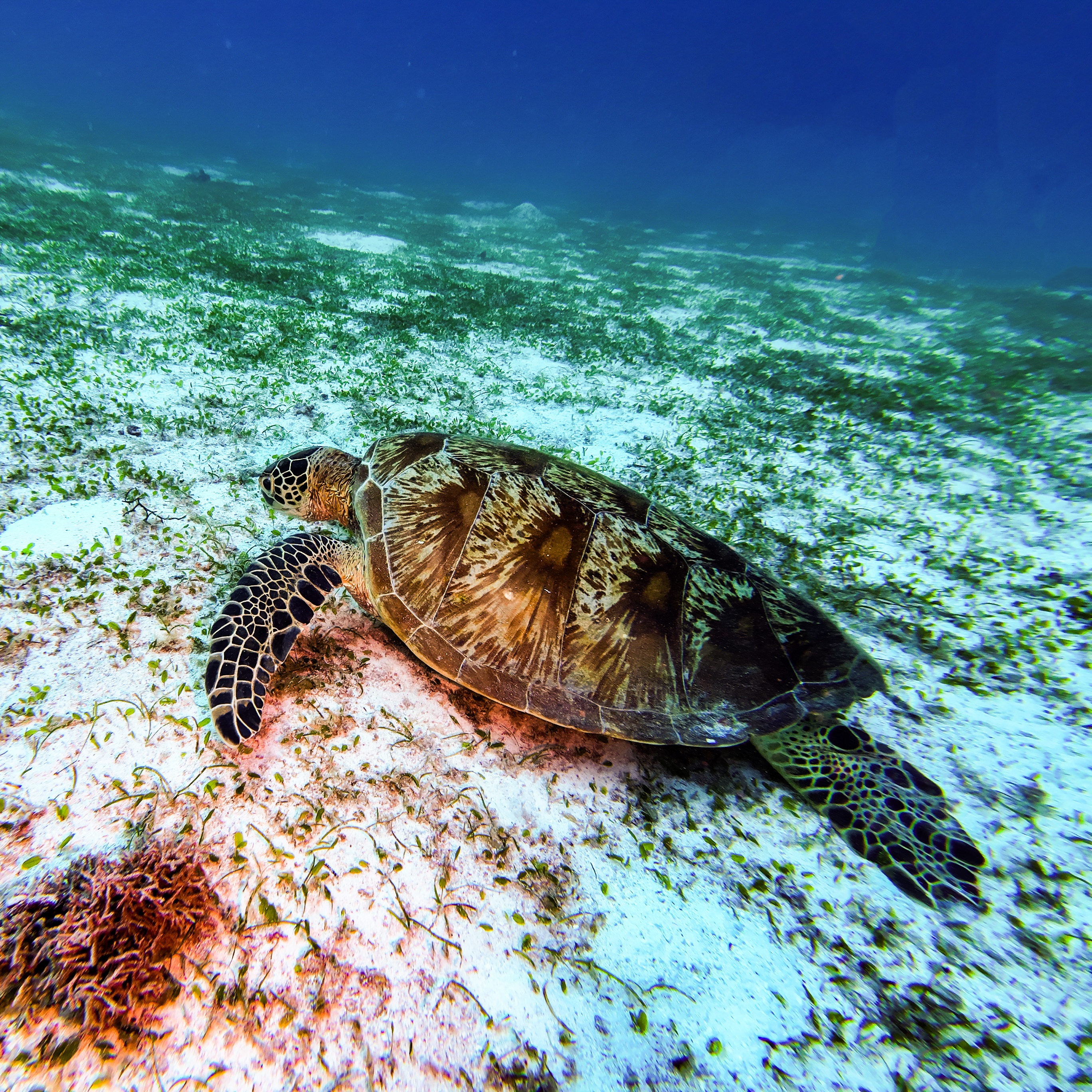
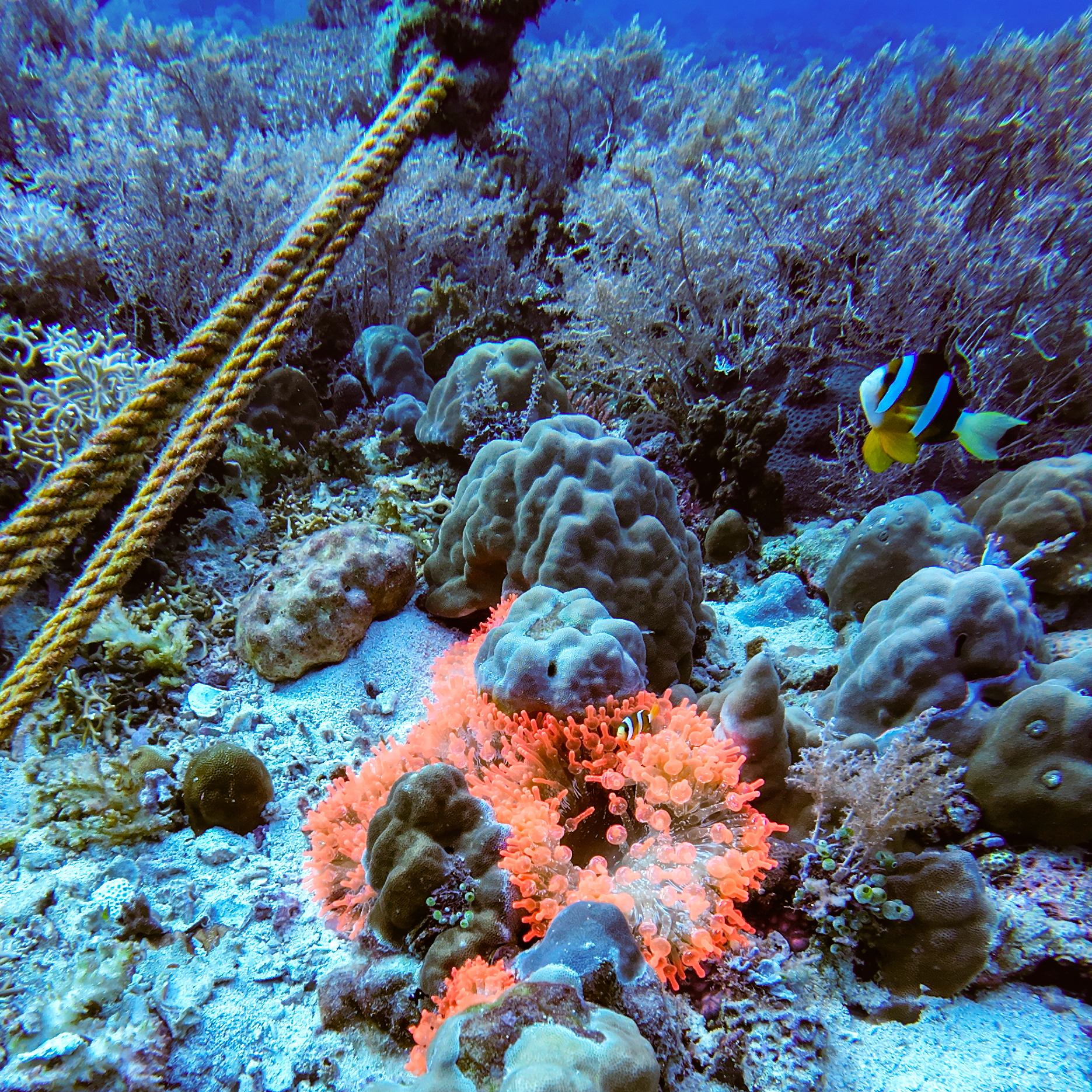
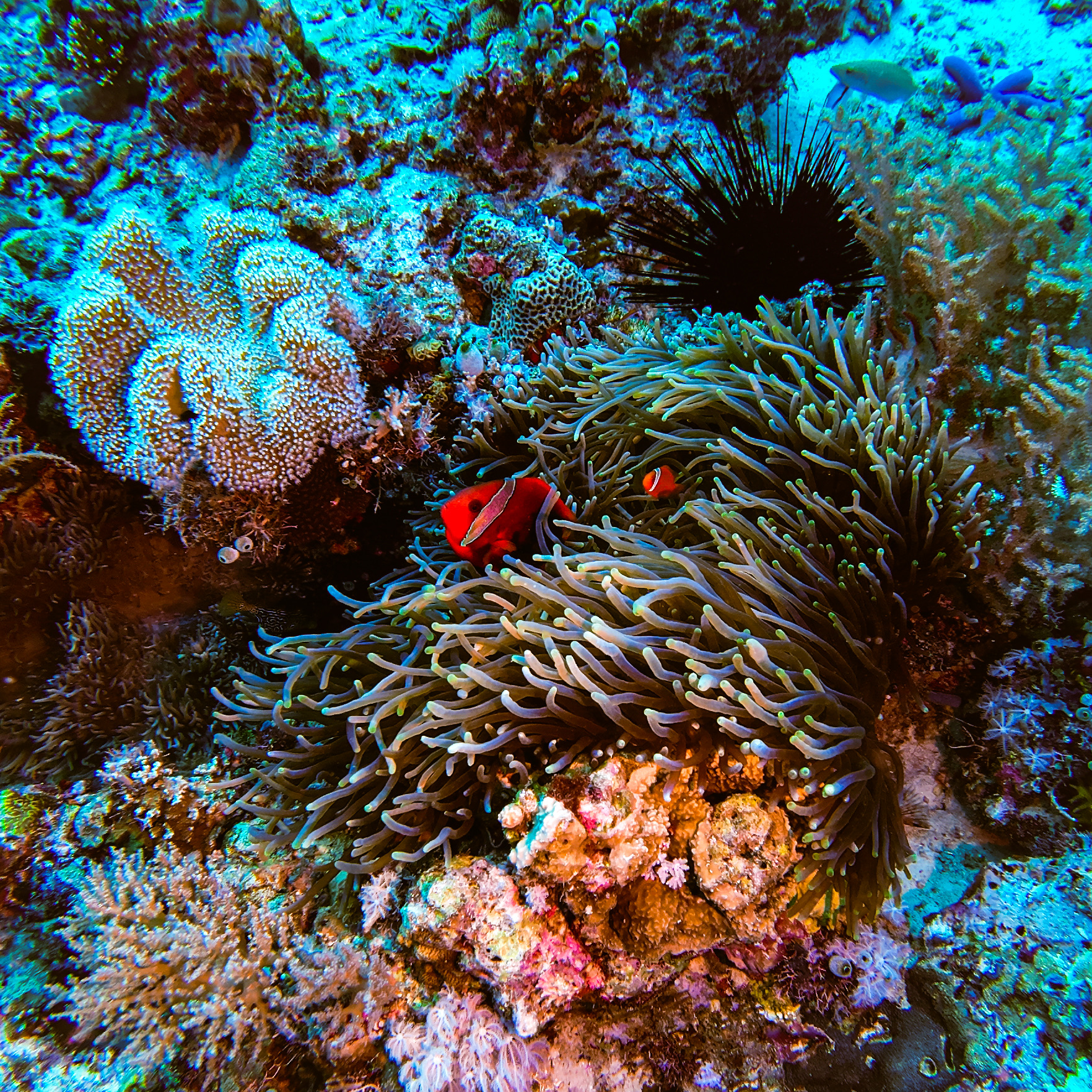
Another unforgettable moment was observing a local sea turtle, most likely the green sea turtle (Chelonia mydas), which can travel thousands of kilometers between feeding and nesting sites. I also spent time watching clownfish (Amphiprion ocellaris), famous for their symbiotic relationship with sea anemones that protect them from predators. Being able to photograph these creatures in their natural habitat felt like stepping into a living documentary. The vibrant colors and peaceful environment made every dive unique.
It was a truly emotional experience to swim alongside such extraordinary animals and observe them in complete tranquility. The elegance of the thresher shark, the power of the tiger shark, the serenity of the turtle, and the playful behavior of the clownfish created a perfect balance of wonder and respect. Documenting them up close gave me a deeper appreciation for ocean biodiversity. That journey will remain one of the most unforgettable experiences of my life.
Lanzarote – Fuerteventura
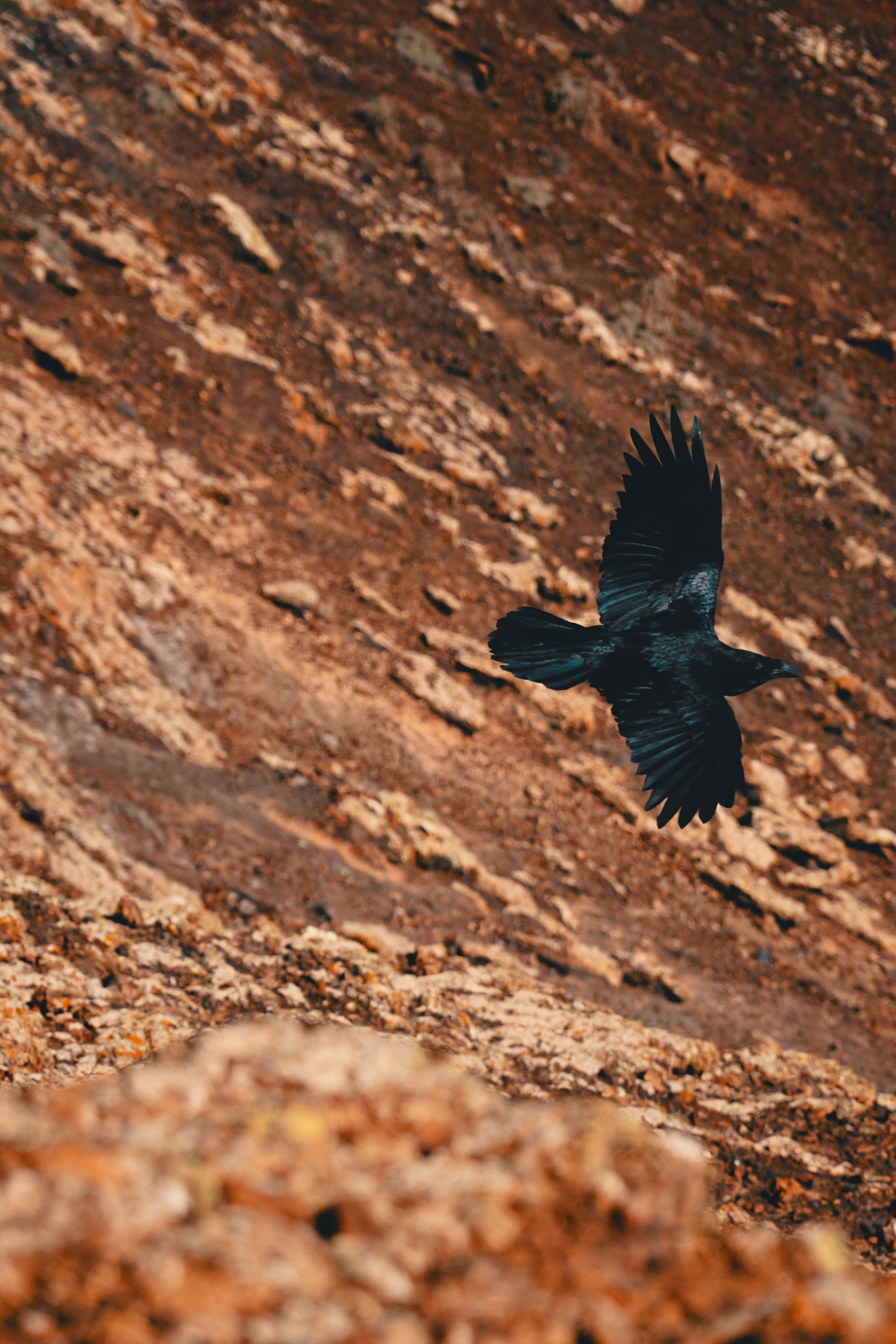
Apart from the native bats and the mammals which accompanied humans to the island (including the dromedary, which was used for agriculture and is now a tourist attraction), there are few vertebrate species on Lanzarote. These include birds (such as falcons) and reptiles. Some interesting endemic animals are the Gallotia lizards and the blind Munidopsis polymorpha crabs found in the Jameos del Agua lagoon, which was formed by a volcanic eruption. The island is also home to one of two surviving populations of the threatened Canarian Egyptian vulture.
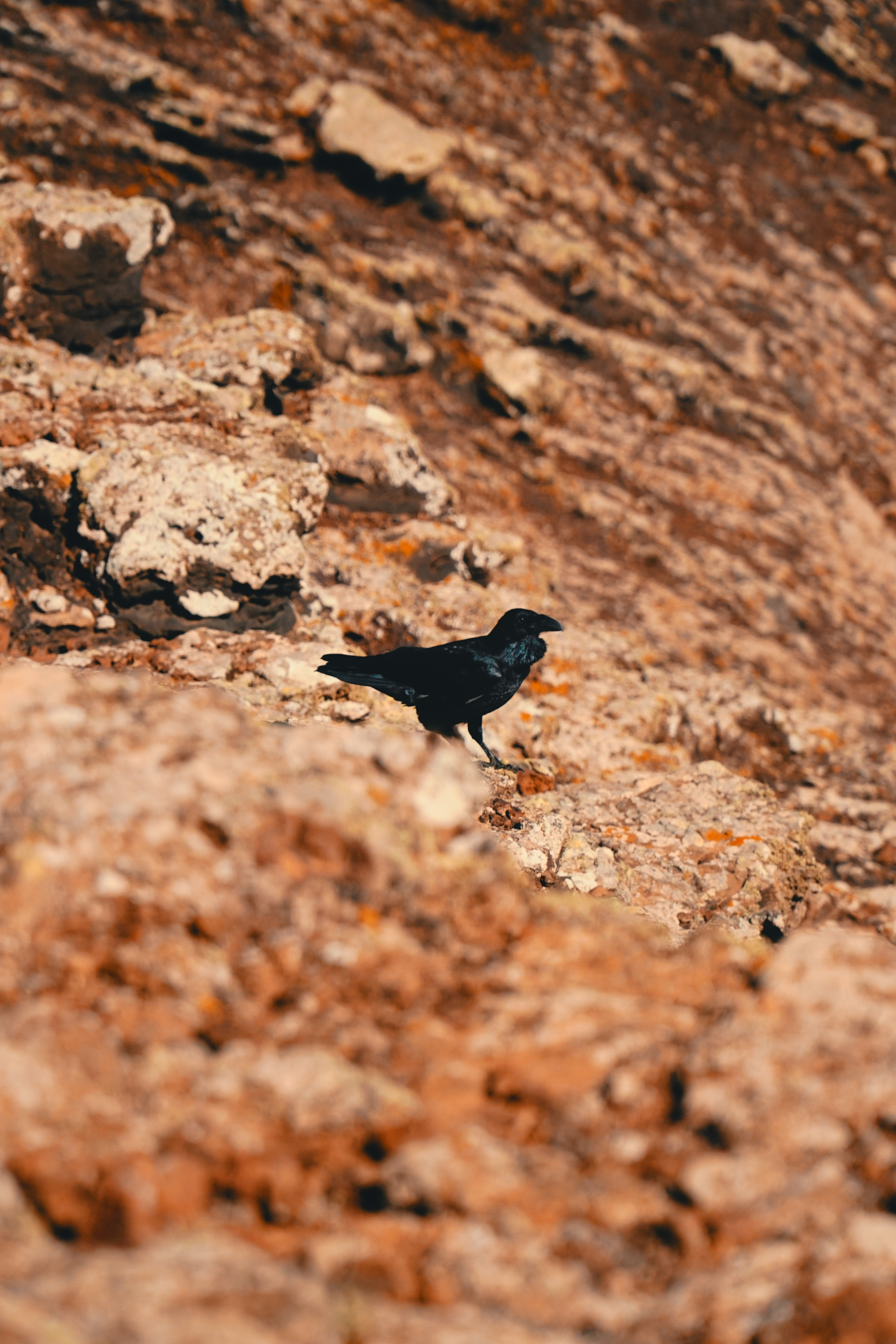
There are five hundred different kinds of plants on the island, of which 17 species are endemic. These plants have adapted to the relative scarcity of water in the same way as succulents. They include the Canary Island date palm (Phoenix canariensis), which is found in damper areas of the north, the Canary Island pine (Pinus canariensis), ferns, and wild olive trees (Olea europaea). Laurisilva trees, which once covered the highest parts of Risco de Famara, are rarely found today. After winter rainfall, the vegetation comes to a colourful bloom between February and March.
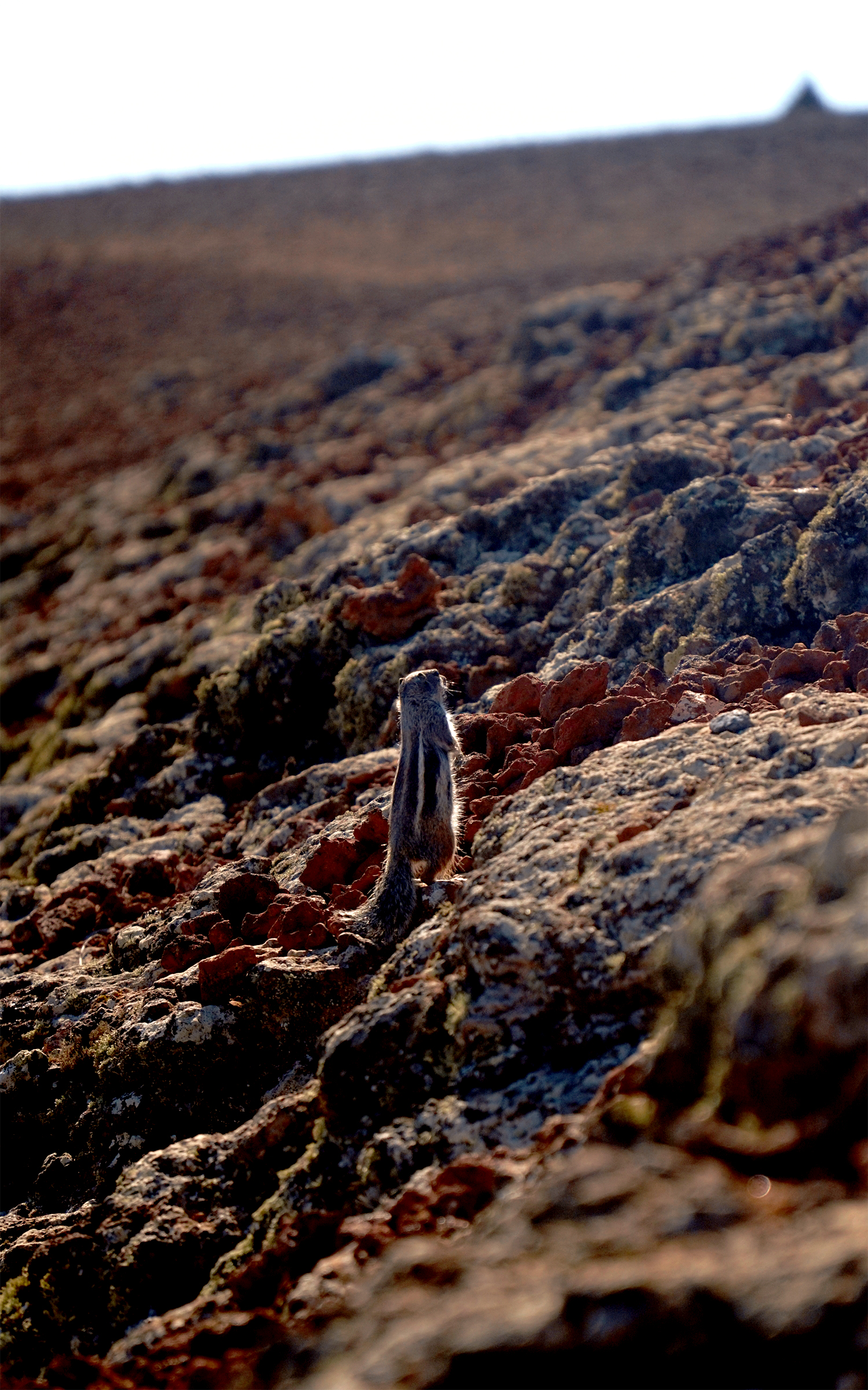
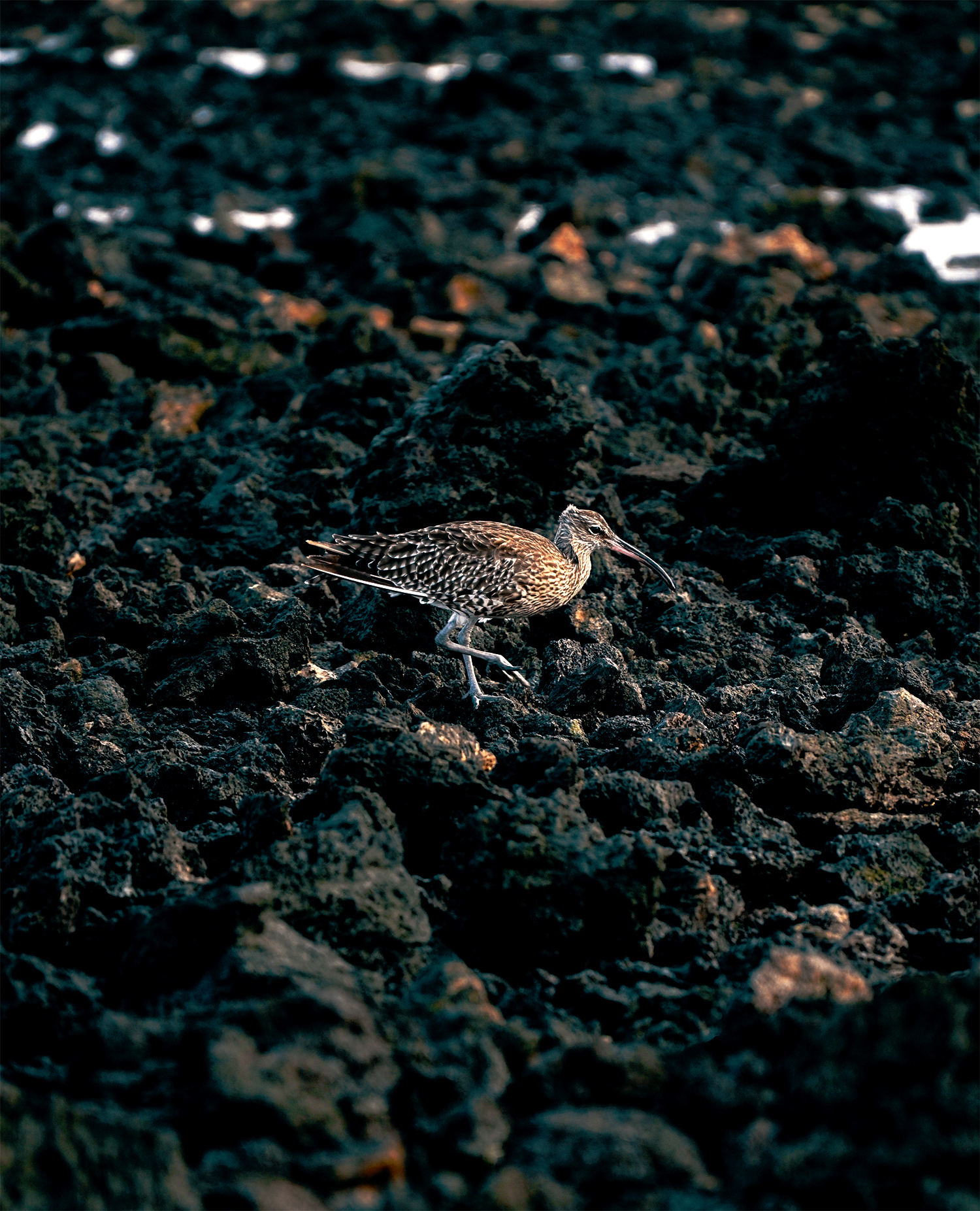
There are five hundred different kinds of plants on the island, of which 17 species are endemic. These plants have adapted to the relative scarcity of water in the same way as succulents. They include the Canary Island date palm (Phoenix canariensis), which is found in damper areas of the north, the Canary Island pine (Pinus canariensis), ferns, and wild olive trees (Olea europaea). Laurisilva trees, which once covered the highest parts of Risco de Famara, are rarely found today. After winter rainfall, the vegetation comes to a colourful bloom between February and March.


Dolomites
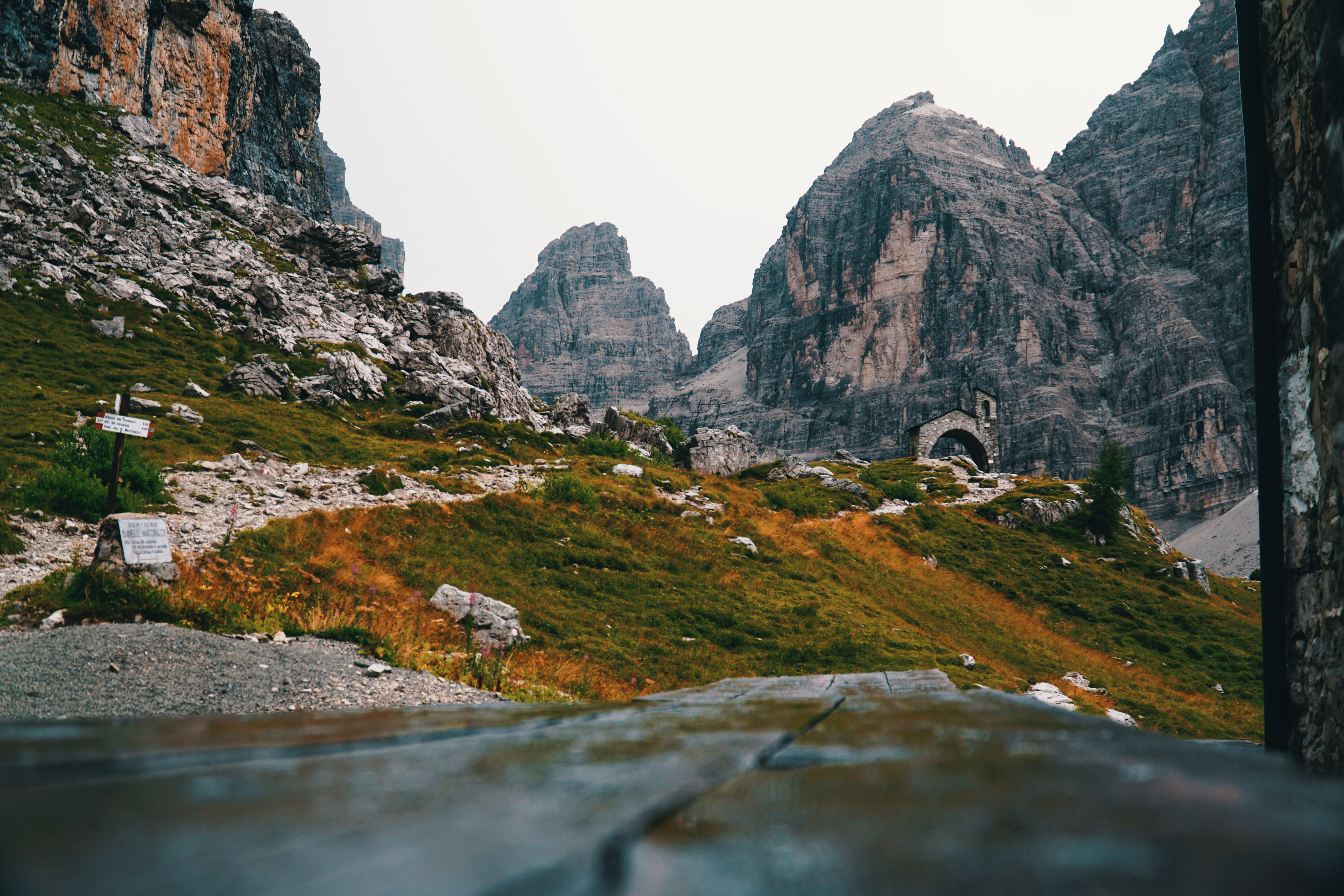
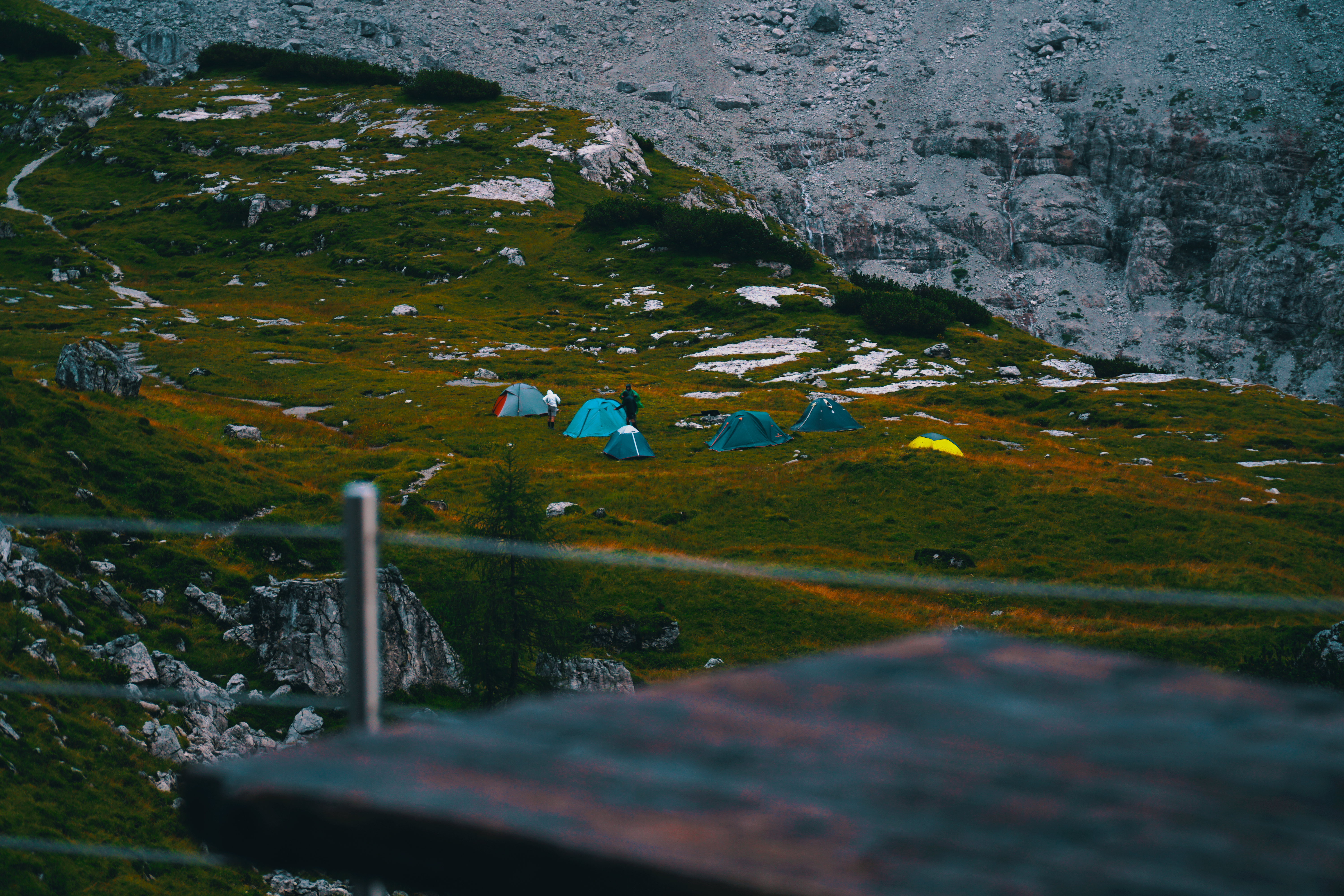
The history of the Brentei refuge originates from a small summer hut built by the Gigioti Bolza family, originally from Ragoli, in the 1930s. A hut built in the heart of the Brenta Dolomites which within a short time was ready to host the most daring mountaineers who immediately made it a key link for the alpinists.

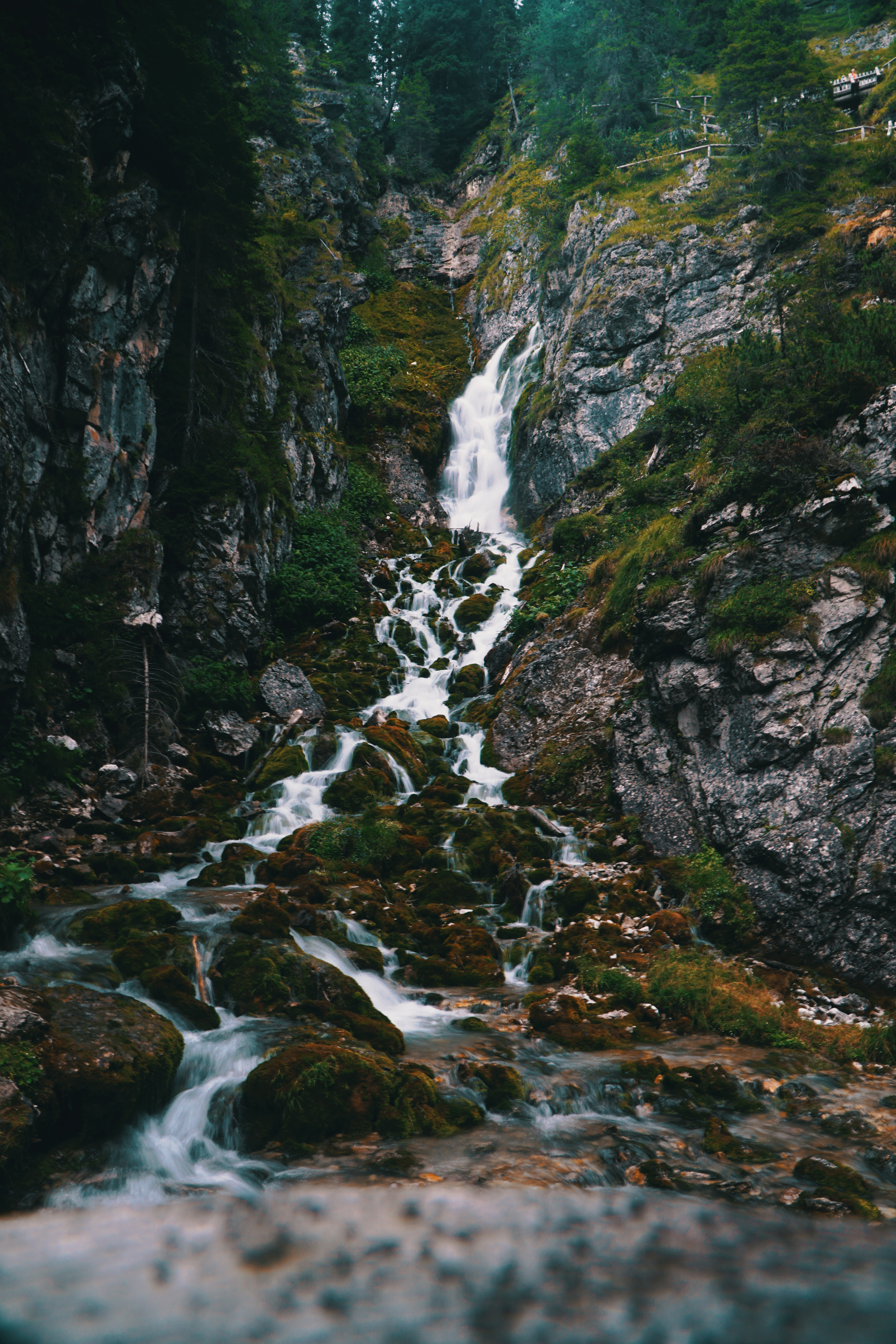
Thinking about the Brenta Dolomites, it would be difficult for us to imagine tropical beaches, yet history teaches us that the current spiers, millions of years ago, were atolls on which animal and plant species present today at equatorial latitudes lived. The orogeny that occurred over the millennia has raised these underwater rocks, slowly shaping them to their current morphology.
Portugal
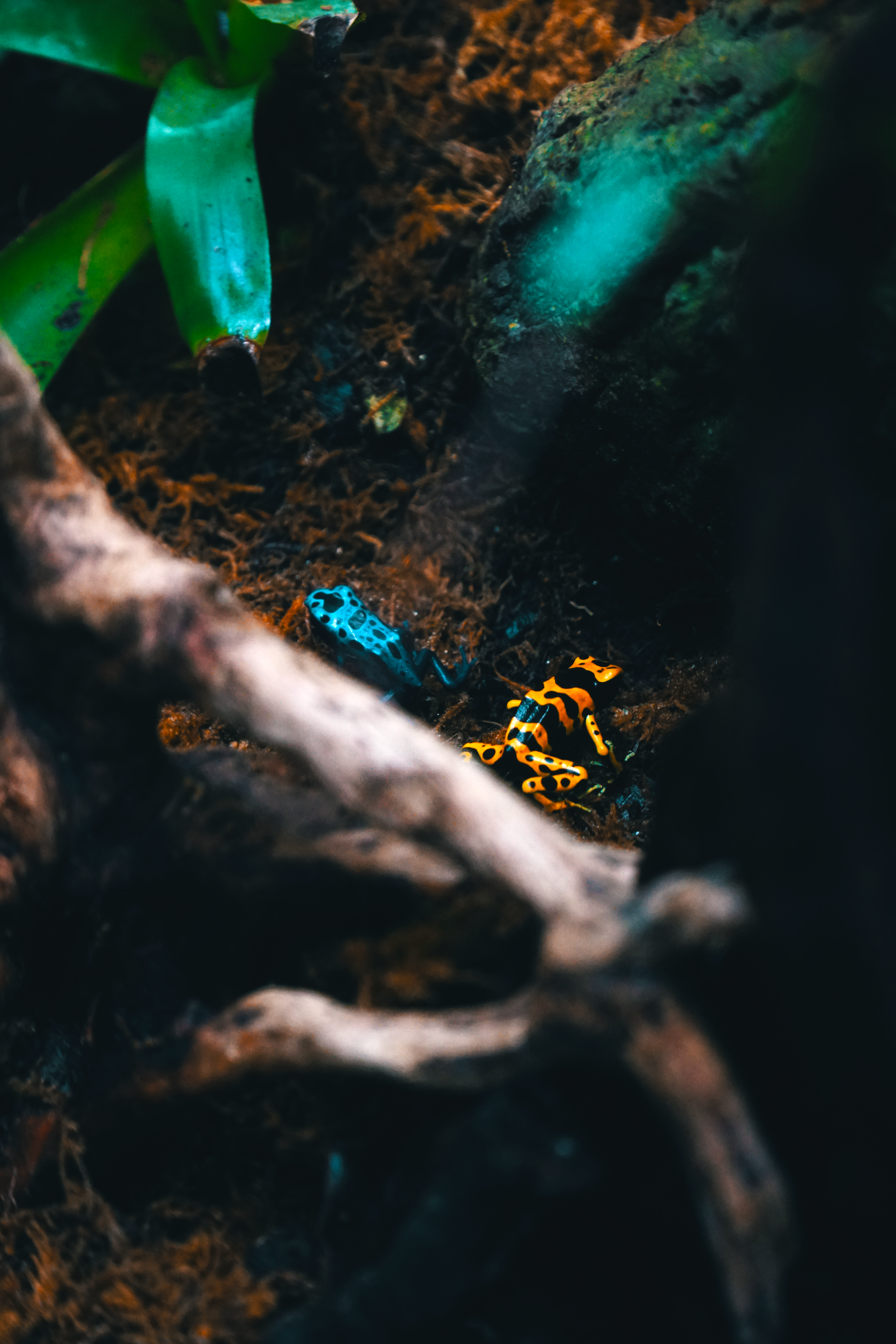
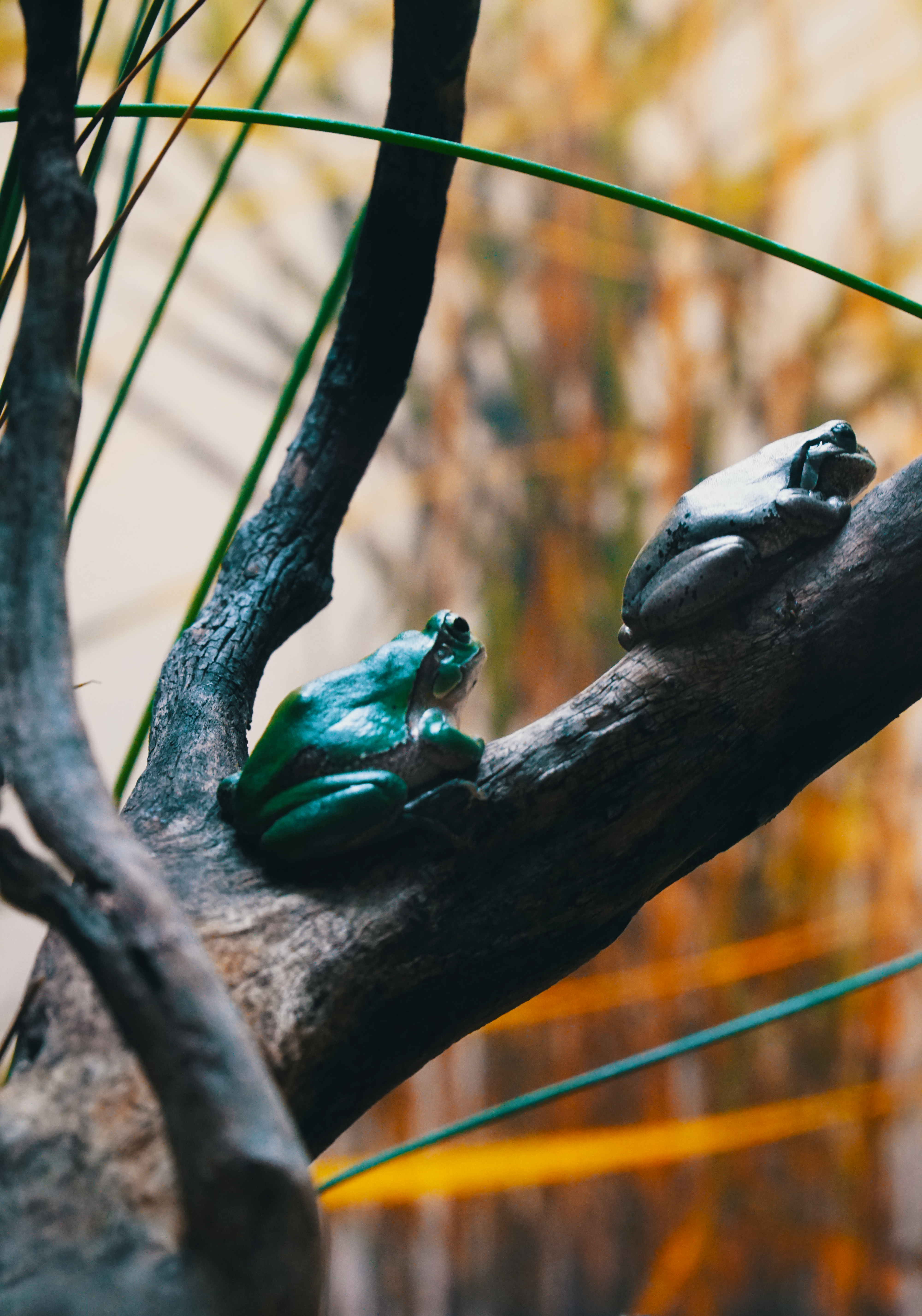
Oceanário de Lisboa – their mission is to encourage people to learn more about the ocean and make all citizens aware of their duty to conserve their natural heritage, by changing their behaviour.


Bucharest
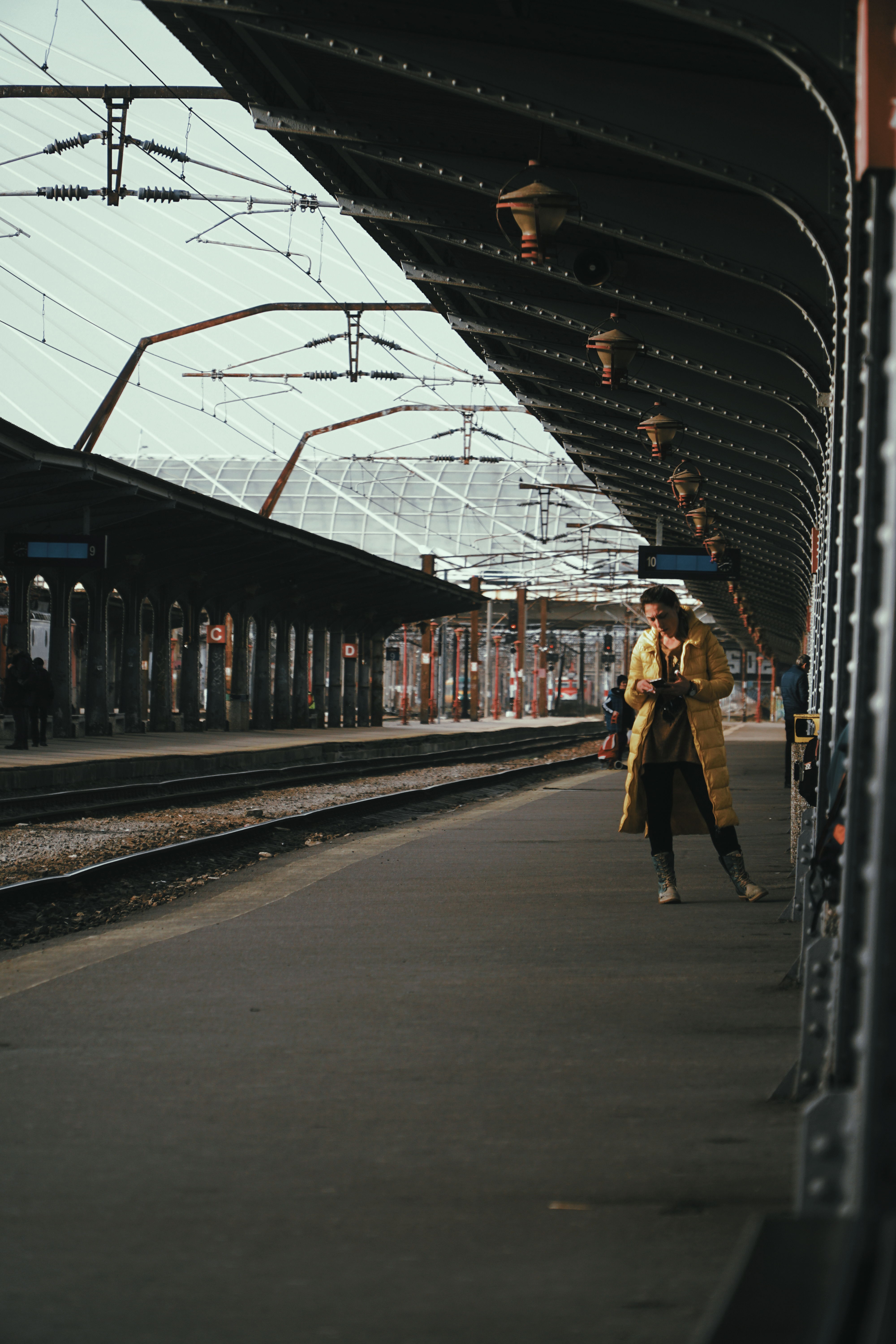
In 1980, the megalomaniac president Ceausescu proposed the idea of renovating the city. This involved demolishing a fifth of the city’s buildings and replacing them with unaesthetic, Soviet-style buildings. This caused Bucharest to lose a large part of its monumental heritage.

In 1989, the Revolution brought the communist regime down, but marks can still be seen throughout the city.

After so much destruction Bucharest is still trying to recover the magic of its historical centre.

 Malsano